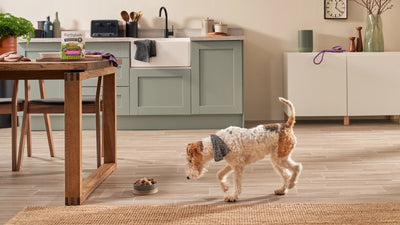
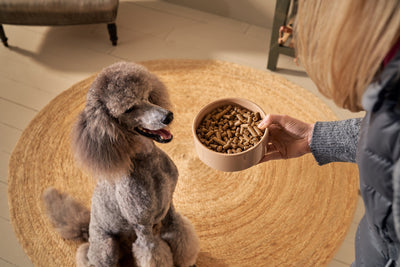
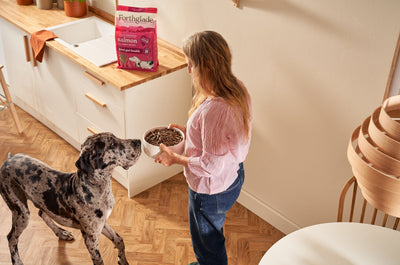
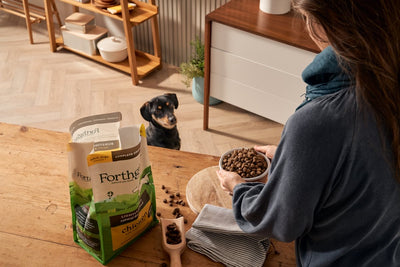
Sometimes, changing your dog’s food isn’t something you get weeks to plan for. A recipe may become unavailable, a product might be recalled or withdrawn, or there may be another reason why continuing with their usual food simply isn’t an option.
The first thing to remember is: don’t panic.
We usually recommend introducing a new food gradually over several days, particularly for dogs with sensitive digestive systems. But if you need to change your dog’s food straight away, you absolutely can.
Your dog may have slightly softer or less predictable poos for a few days while their digestive system adjusts, but for most otherwise healthy dogs this should be temporary. Their digestion will usually begin to settle as they become accustomed to their new food.
Why do we normally change food gradually?
Your dog’s digestive system adapts to the food they regularly eat. This includes the digestive processes involved in breaking down nutrients and the community of microorganisms living within the gut, known collectively as the gut microbiome.
Different foods provide different amounts and types of protein, fat, carbohydrate and fibre. Changing these suddenly can temporarily alter what reaches the large intestine and what is available for gut bacteria to ferment.
This is one reason a sudden dietary change can sometimes result in softer stools, more frequent poos or a little extra wind.
A gradual transition gives the digestive system more time to adjust. However, gradual does not mean essential in every situation. If you cannot continue feeding your dog’s existing food, moving directly onto an appropriate new food is perfectly fine to do.
Keep things familiar where you can
If you have a choice of foods, look for something reasonably similar to what your dog has been eating.
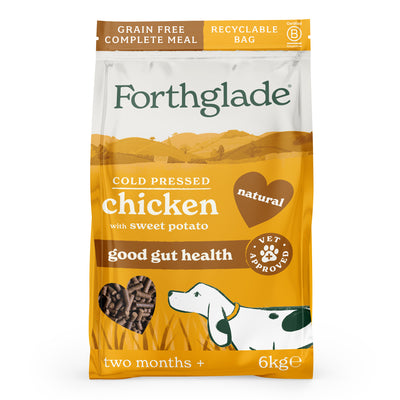
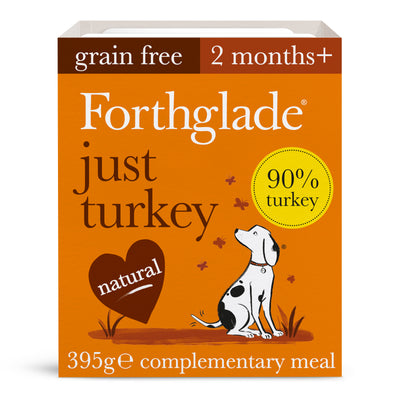
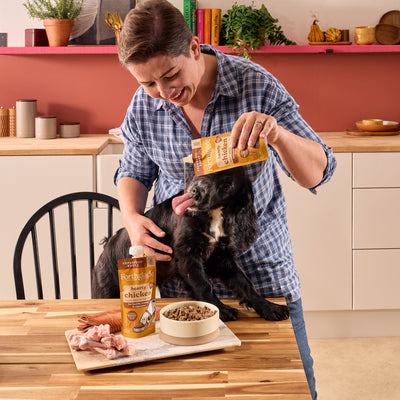
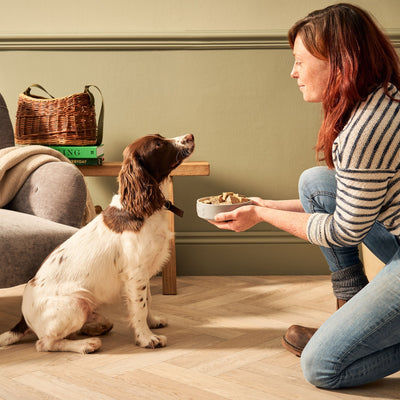
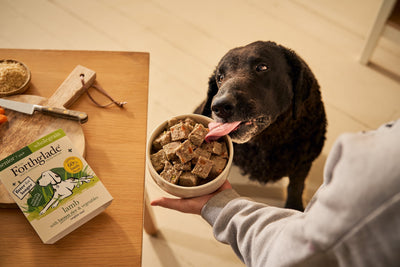
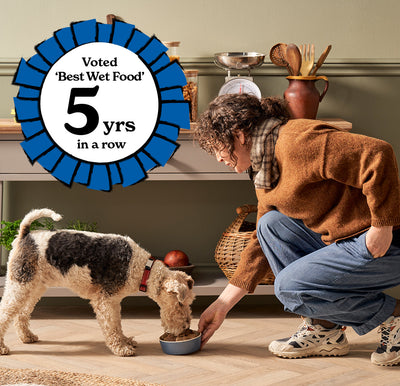
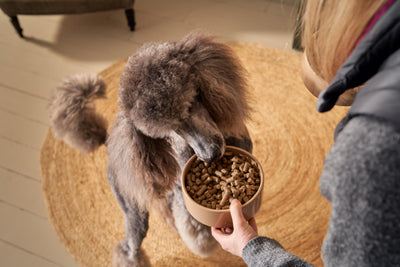
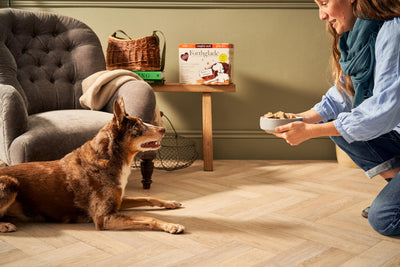
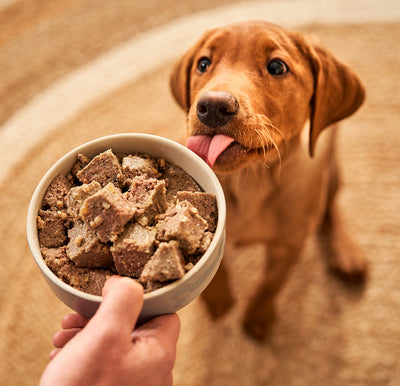
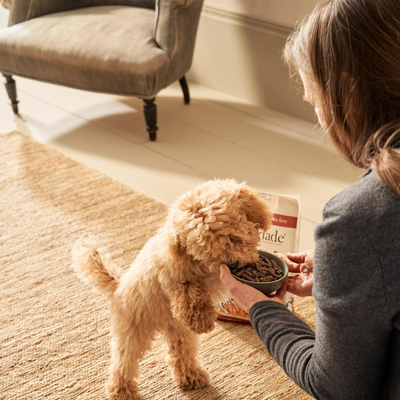
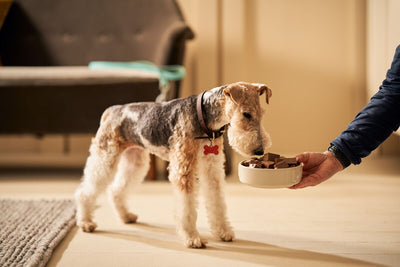
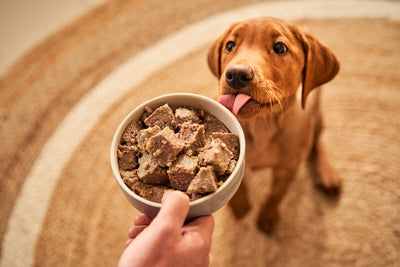
Start with a similar texture. If your dog is accustomed to wet food, another wet food may feel more familiar than suddenly moving to dry food, for example. Likewise, a dog accustomed to dry food may find another dry recipe easier to accept initially.
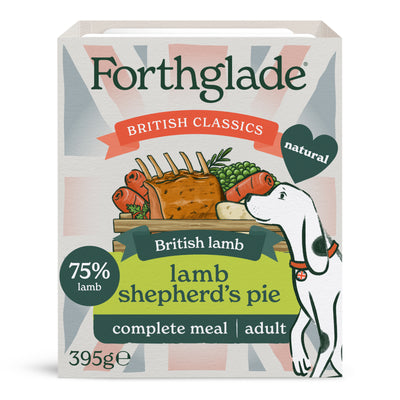
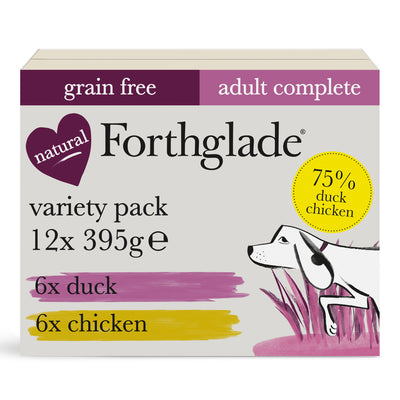
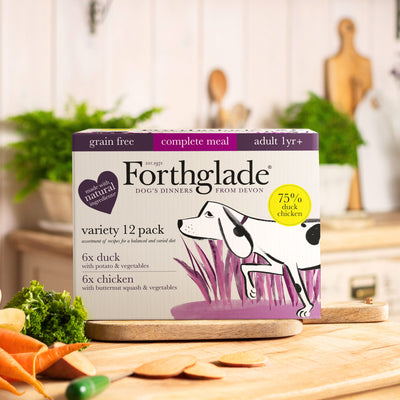
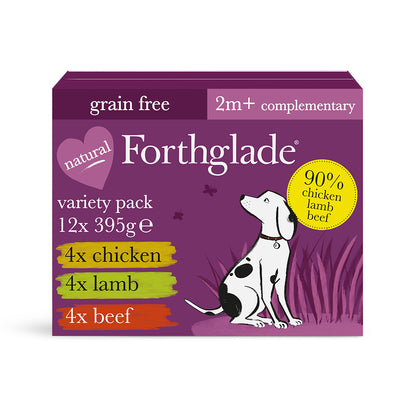
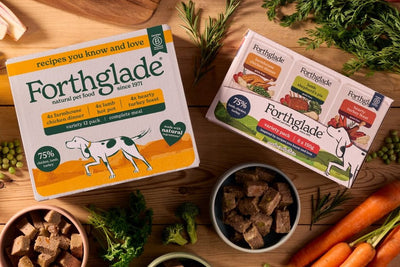
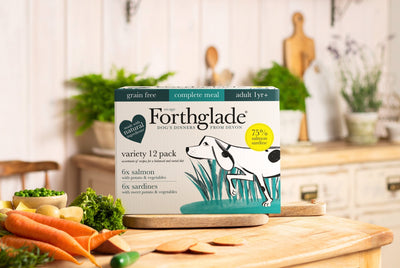
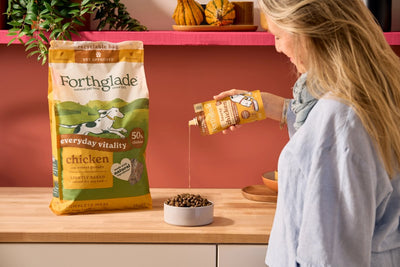
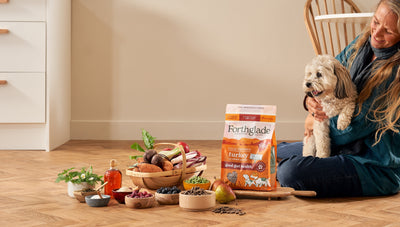
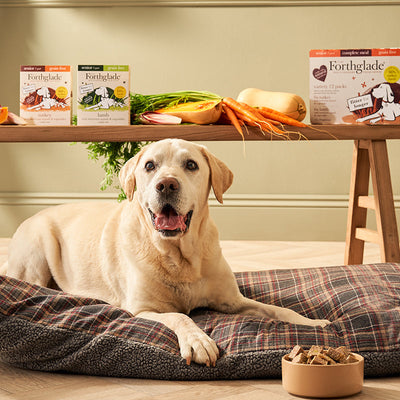
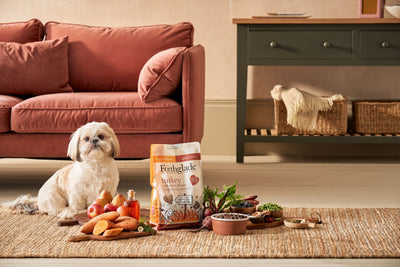
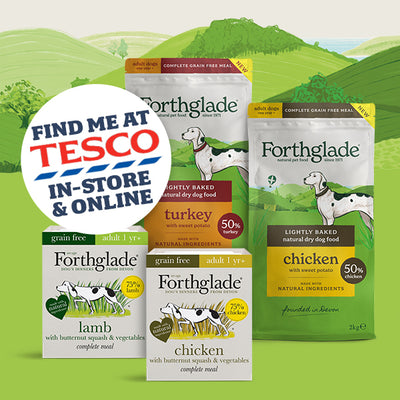
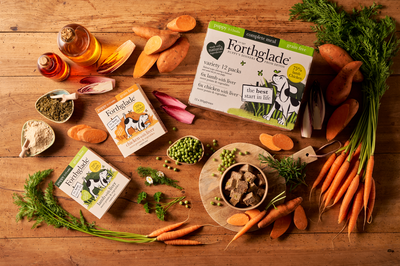
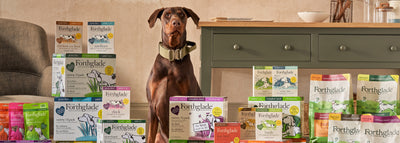
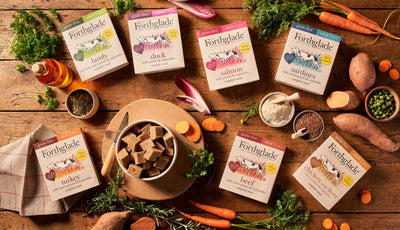
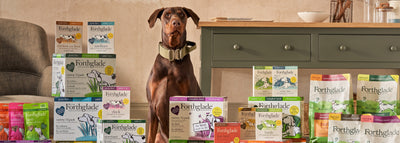
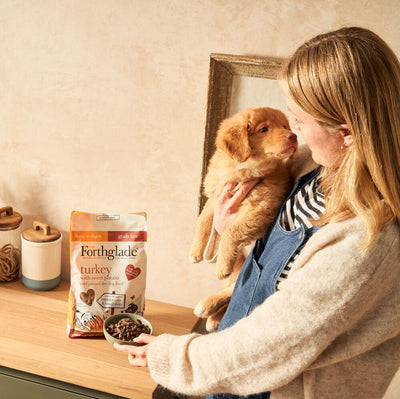
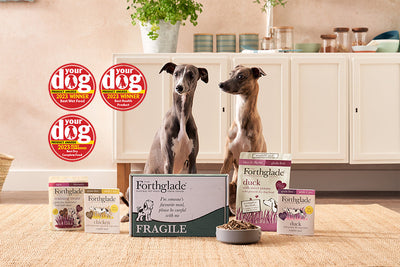
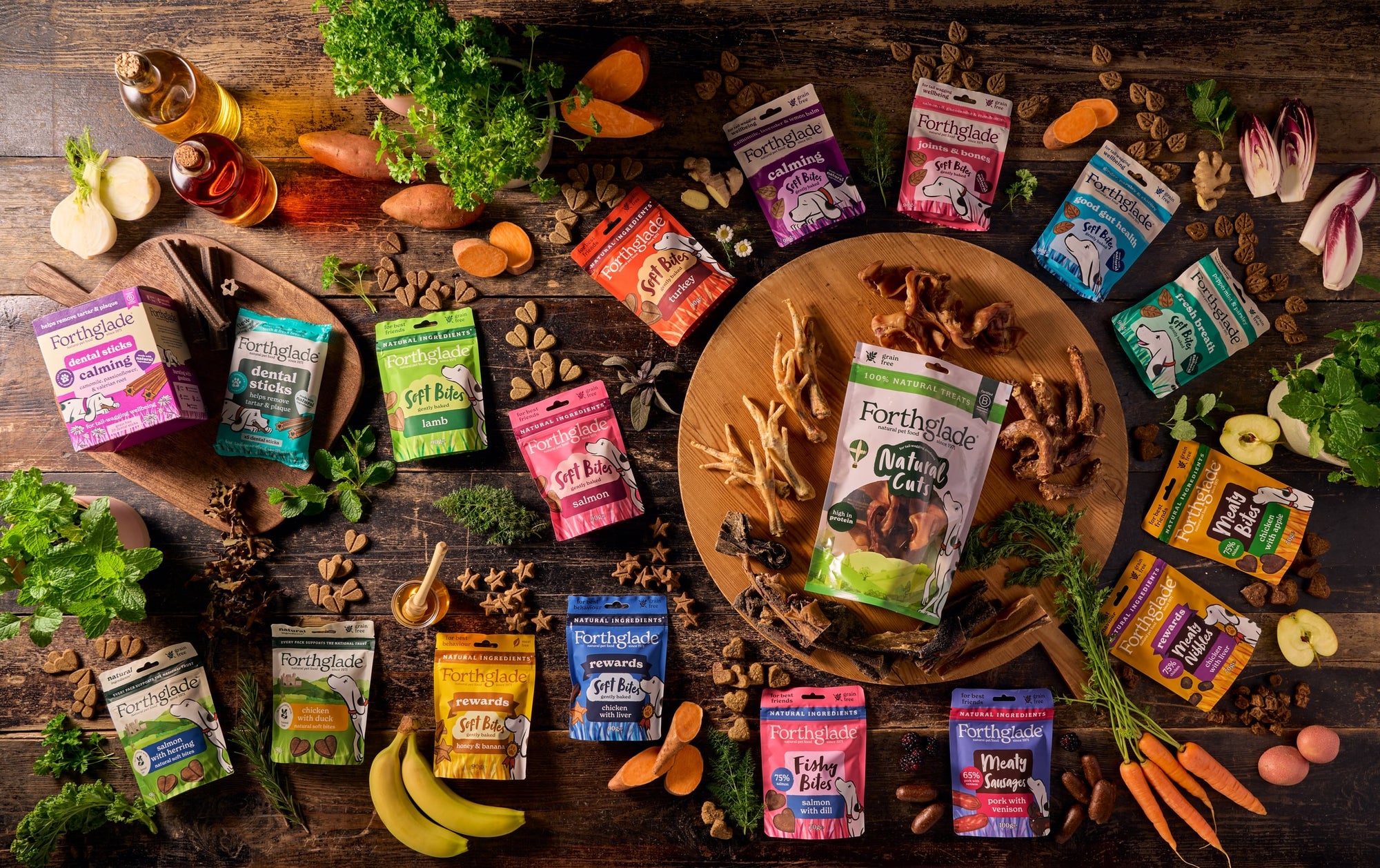
Forthglade’s wet food and dry foods are complete and balanced recipes, so whichever texture you choose, you can be confident your dog is getting the nutrients they need as part of their everyday diet.
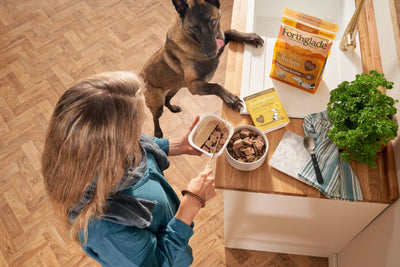
If you do want to move from wet to dry, or dry to wet, you can still do so. Just remember that differences in texture, moisture content and nutrient density may mean less than ideal poos for a few days, or a few odd looks from your dog when their bowl doesn’t look the same as it usually does!
Also remember to follow the feeding guide for the new food rather than simply replacing the old food gram for gram.

Choose familiar proteins
Next, think about the proteins your dog has eaten previously.
If chicken, turkey or lamb have regularly appeared in their diet and they have always eaten them happily, choosing a new recipe containing one of those familiar proteins can be a sensible place to start. This isn’t because a new protein is necessarily difficult to digest. It simply reduces the number of new things being introduced at once and gives you a meal you already know your dog enjoys.
Once they are happily eating their new food and their digestion has settled, you can begin introducing other recipes if you would like to give them more variety.
Stick with one recipe at first
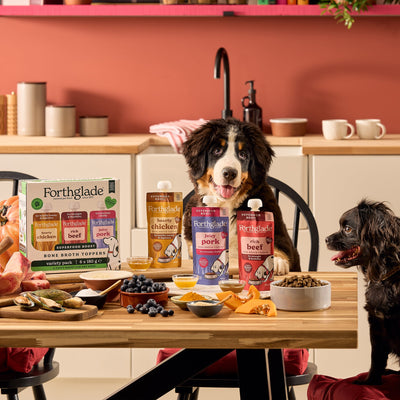
When you suddenly have to change foods, it can be tempting to buy several recipes to give your dog plenty of choice. Initially, keeping things simple may be more helpful. Try feeding one recipe consistently for around a week, providing your dog is enjoying it and their digestion is settling. This gives their digestive system time to become accustomed to the new food and also makes it easier for you to see how they are responding. Once their poos are back to their usual consistency, you can gradually introduce other recipes.
What if their poos change?
A slightly softer poo following a sudden food change isn’t necessarily a sign that the new food doesn’t agree with your dog.
Give their digestive system a little time.
Keep meals consistent and avoid introducing lots of new treats, chews or other extras at the same time. If your dog is bright, comfortable, eating normally and their stools are gradually improving, their digestive system may simply be adapting.
The main thing: don’t worry
A slow transition is useful when you have the opportunity to do one, but sometimes circumstances make that impossible.
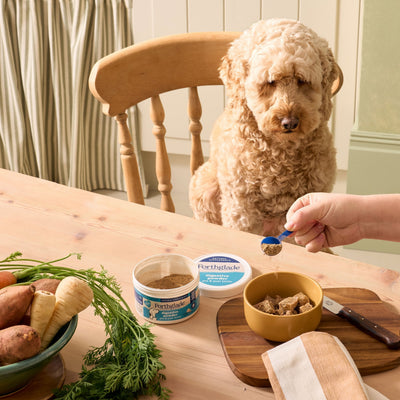
If you suddenly need to change your dog’s food, focus on keeping their new diet simple and consistent. Choose a similar food texture where possible, start with proteins they already know and enjoy, and stick with one recipe while their digestion settles. You can also provide some additional digestive support if they need it.
Your dog’s digestive system is adaptable. Their poos might not be quite their usual selves for a few days, but in most otherwise healthy dogs, things should soon begin to settle as they get used to their new food.