

- Save your dog's profile and update it any time
- Receive exclusive offers and discount codes
- Feeding guide recommendations for your dog
- Get personalised Subscribe and Save offers









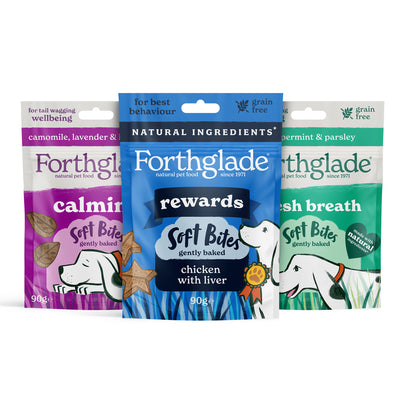

Why Does My Small Dog Need a Small Dog Diet?
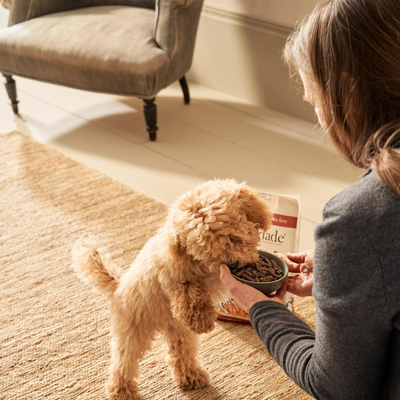
Small dogs bring immense joy and companionship into our lives, but their nutritional needs are unique compared to their larger counterparts. Ensuring that your small dog receives the proper diet is essential for keeping them healthy, active, and happy. Small dogs require a diet specifically tailored to their size, metabolism, and overall health. Forthglade’s small dog food range is designed to meet these needs, providing the right balance of nutrients in a format that’s easy for small dogs to enjoy.
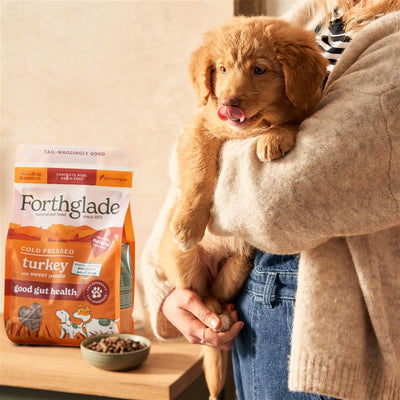
At Forthglade, we understand the importance of providing small dogs with high-quality food that caters to their specific dietary requirements. Our small dog range, including options like our cold-pressed food, ensures that your dog gets all the necessary nutrients while supporting their overall well-being.
Explore our small dog food to find the perfect diet for your small breed.
Why Should Your Dog Eat Small Breed Food?
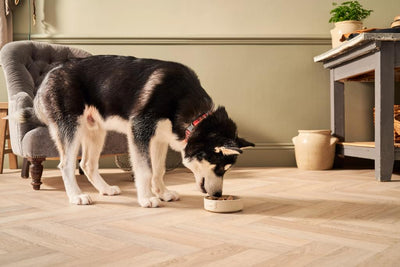
Feeding your small dog food designed specifically for their breed size offers numerous benefits, from easier chewing to better weight management. Here’s why small breed food is the best choice for your tiny companion:
Smaller Food for Smaller Mouths
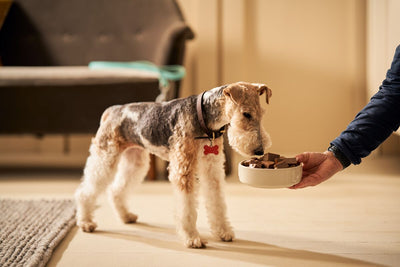
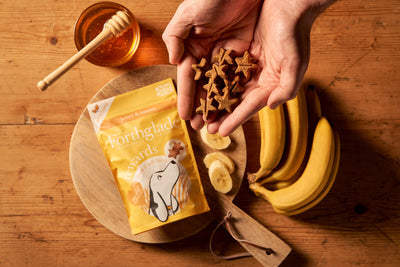
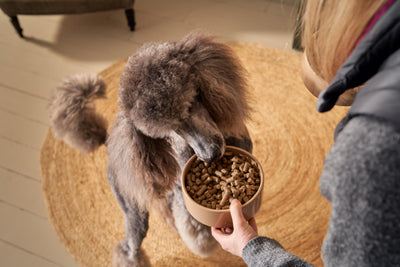
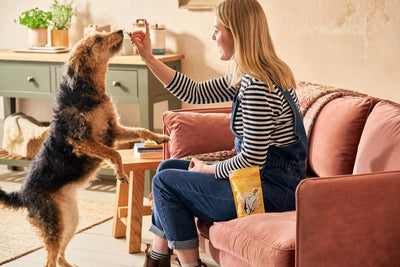
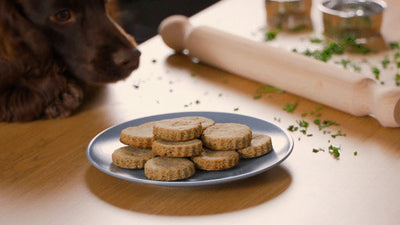
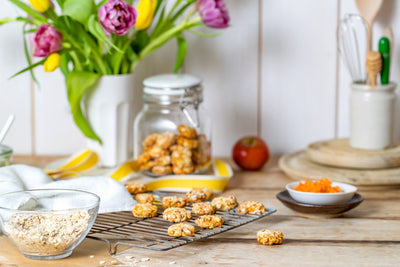
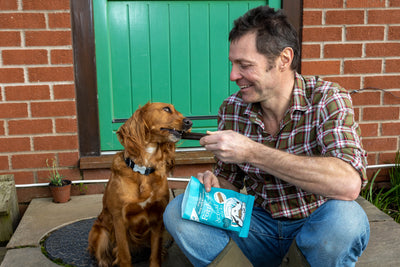
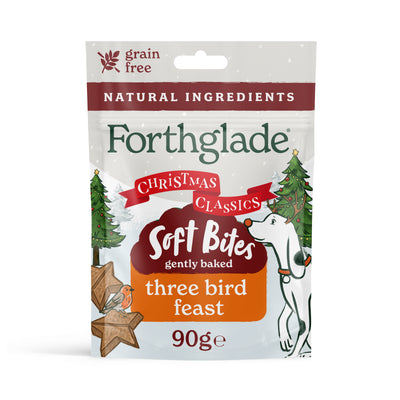
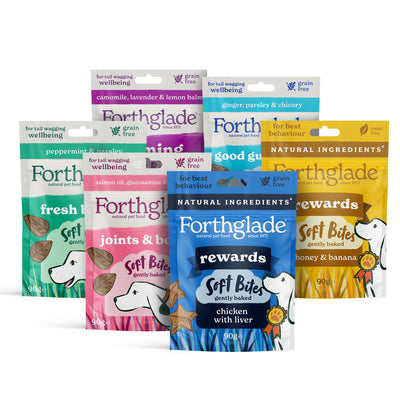
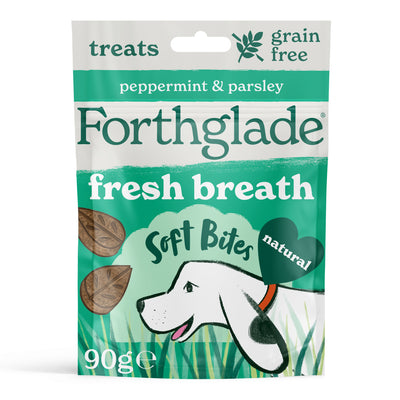
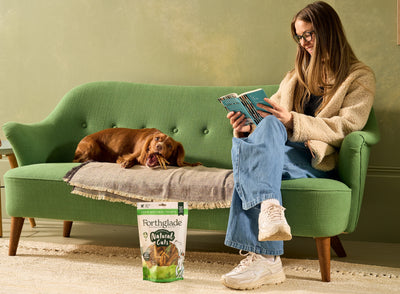
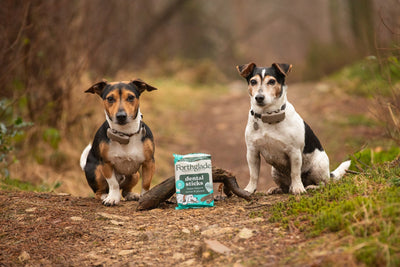
Small dogs have smaller jaws and teeth, making it more challenging for them to chew and digest large kibble designed for bigger dogs. Small breed food typically features smaller kibble sizes, ensuring your dog can comfortably eat without the risk of choking or digestive issues. Forthglade’s range includes small chicken & duck dog treats, which are perfectly sized for small mouths.

Proper Weight Management
Small dogs often have higher energy levels but smaller stomachs, meaning they need food that provides the right amount of calories without leading to weight gain. Small breed dog food is formulated to help manage weight by providing the appropriate calorie count in each serving. This ensures your dog stays at a healthy weight while receiving the energy they need for daily activities.
Optimal Calorie and Nutrient Intake
Given their fast metabolic rates, small dogs require a diet rich in high-quality proteins, fats, and carbohydrates to sustain their energy levels throughout the day. Small breed dog food is designed to pack more nutrients into smaller portions, providing balanced nutrition that supports their active lifestyle.
Tailored to Their Unique Metabolic Rates
The metabolism of small dogs is different from that of larger breeds. They burn calories faster and, therefore, need more nutrient-dense food to keep up with their energy demands. Feeding them large breed dog food could result in nutritional imbalances, leading to potential health issues. For more detailed guidance on feeding your small dog, visit our dog feeding advice page.

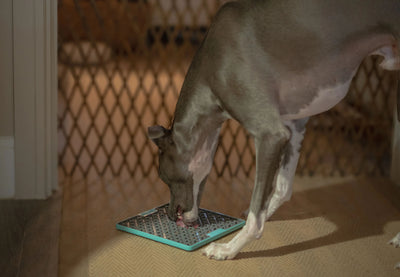
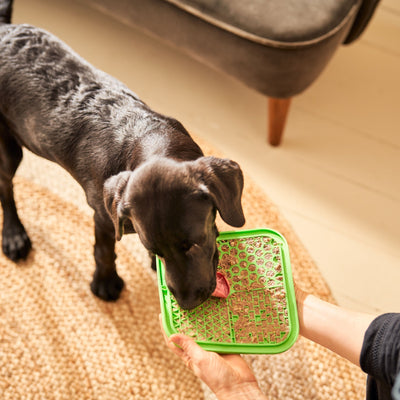
What to Put on a LickiMat: 6 Dog LickiMat Ideas From a Nutritionist
enrichment
lickimat
nutritionist





























Are Christmas Trees Toxic To Dogs? Dog Proofing Xmas Tree
christmas
Dog Ownership & Lifestyle
winter