

- Save your dog's profile and update it any time
- Receive exclusive offers and discount codes
- Feeding guide recommendations for your dog
- Get personalised Subscribe and Save offers










Beautifully Ugly: Why Chewing Is More Than Just a Puppy Phase

Some of the best things we can offer our dogs don’t always look particularly appealing to us.
Chicken feet and necks. Pig ears. Tripe. Whole fish.
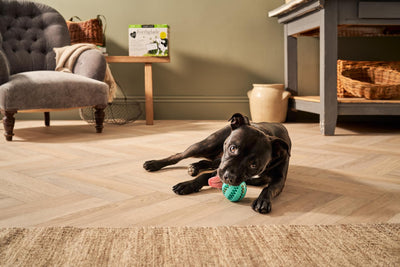
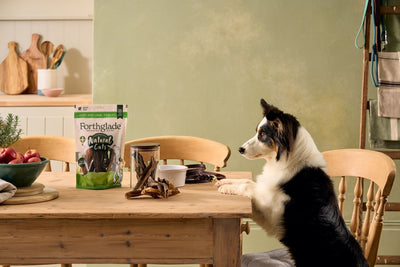
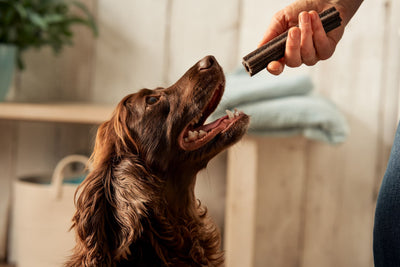
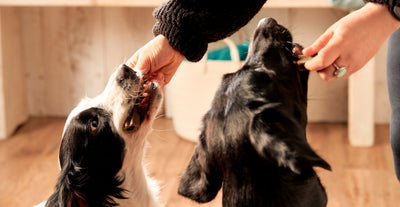
They might look a little unusual on the kitchen counter, but to a dog they make perfect sense. These kinds of natural chews offer something dogs instinctively value: the opportunity to chew.
And chewing is about far more than simply keeping a dog busy.
Chewing Helps Dogs Unwind
Dogs experience stimulation throughout the day. Walks, visitors, training sessions, new environments and everyday activity all activate the body’s stress response.
When something exciting or challenging happens, the body moves into a more alert state. Heart rate increases, breathing changes, and hormones prepare the body for action. Once the event has passed, the nervous system needs time to settle back into a calmer “rest and digest” state.
Certain behaviours help dogs make this transition. Sniffing, licking and chewing are all activities that encourage the body to settle.
The rhythmic action of chewing gives dogs something repetitive and absorbing to focus on. Many owners notice that offering a chew after a walk, training session or play time helps their dog relax afterwards.

Chewing Can Support Focus
Interestingly, chewing is not only linked to relaxation. It can also help dogs engage more effectively with tasks that follow.
The physical act of chewing slightly increases blood flow to the brain during the activity. Once the chewing session ends, this can help dogs remain attentive and engaged.
Some working dog trainers even use chewing opportunities before training sessions to help dogs transition into a more focused mindset.
For pet dogs, offering a chew before a short training session or enrichment activity can serve a similar purpose.
Chewing and Oral Health
Chewing also plays a role in supporting the oral environment.
The mechanical action of chewing stimulates saliva production. Saliva contains natural compounds that help maintain balance in the mouth and support the health of teeth and gums.
Whilst chewing is not a replacement for brushing or veterinary dental care, it can be a useful part of a wider oral health routine alongside brushing, natural balanced nutrition, supplements and regular veterinary checks.
So what makes a good chew?
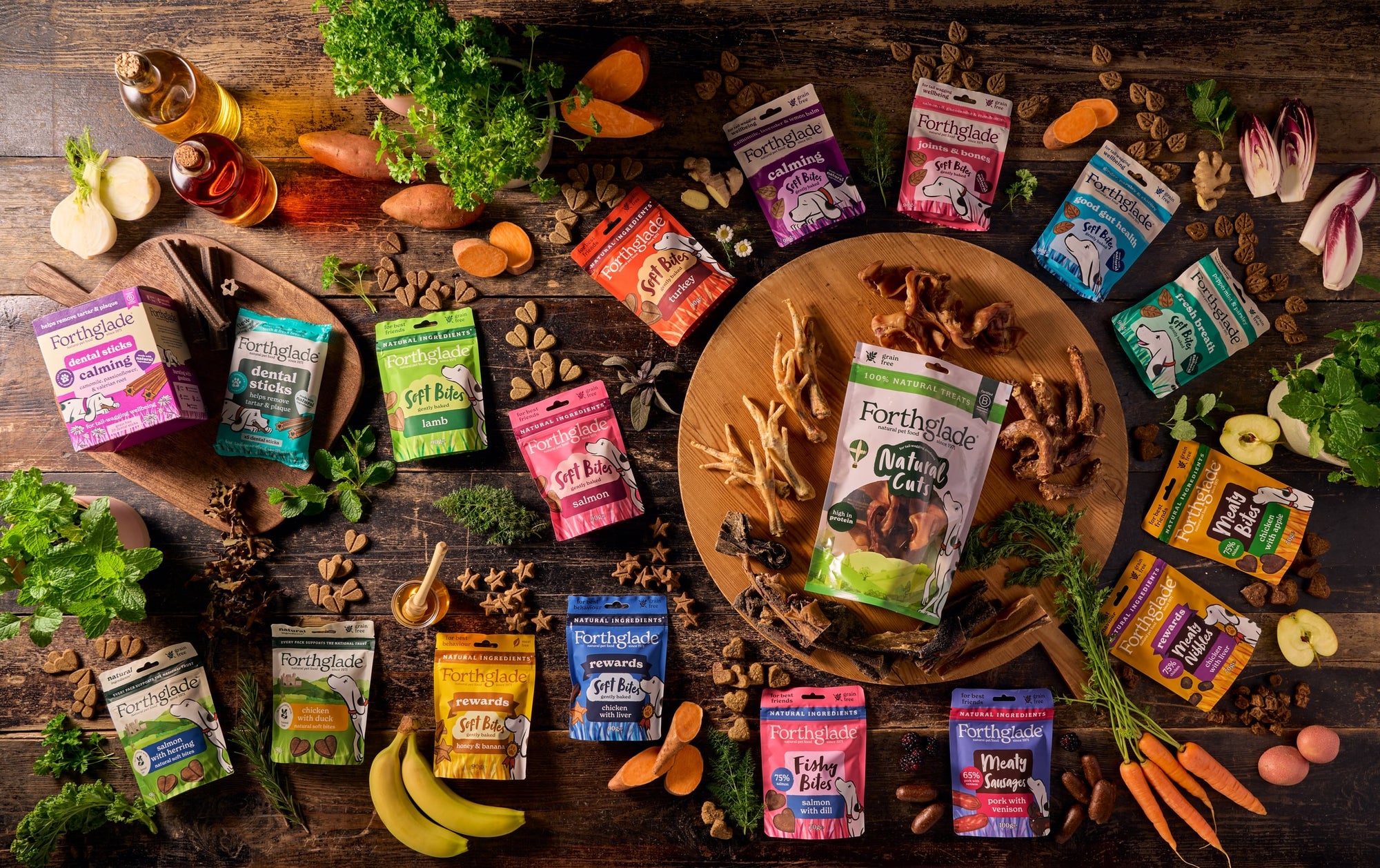
Many dogs instinctively prefer chews that come from real animal tissues. These offer natural textures and smells and are usually longer-lasting. They also contain their own range of nutrients and because natural chews are simply air-dried, they stay close to their original form, meaning many of the nutrients found within those tissues remain.
Chicken Feet

Chicken feet are made up of skin, cartilage and small bones. These tissues naturally contain collagen and cartilage compounds such as glucosamine and chondroitin, along with minerals like calcium and phosphorus from the bones.
Their firm texture makes them a good chewing option for most dogs, just ensure your large breed actually chews them (I’m talking to you, Labradors!).
Chicken Necks

Chicken necks include bone, cartilage and muscle. This means they naturally contain animal protein along with connective tissue components such as collagen, glucosamine and chondroitin. The bones also contain calcium and phosphorus.
Chicken necks are suitable for most dogs, including small breeds. Again, ensure your large breed chews them.
Pig Ears

Pig ears are mainly made from skin and cartilage. These tissues naturally contain collagen and elastin.
Because pig ears are quite dense, they tend to last longer than many chews. They are most appropriate for larger breeds.
Beef Tripe

Tripe is the muscular lining of the stomach. It naturally contains highly digestible animal protein and it has a particular smell that many dogs find appealing. Tripe sticks are suitable for all dogs, of all shapes and sizes.
Capelin

Capelin are small whole fish, meaning dogs eat the muscle, skin and soft bones together. Whole fish naturally contain marine protein, omega-3 fatty acids and minerals such as calcium and phosphorus.
Including fish in the diet also introduces a slightly different range of nutrients compared with land-animal proteins and they are suitable for all dogs, of all shapes and sizes.
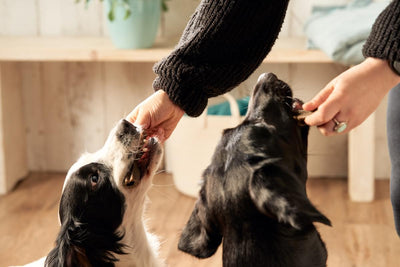
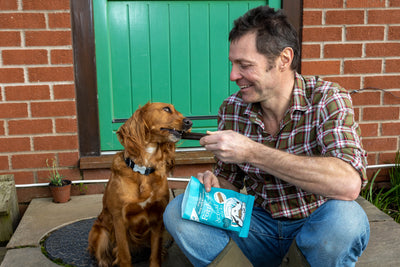
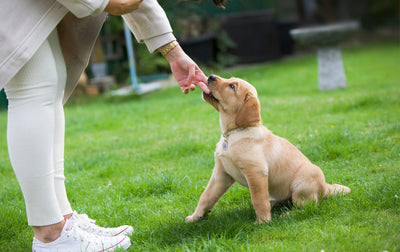
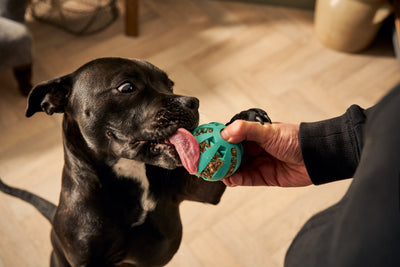
If you’ve never offered natural chews before, you can hold on to the chew to encourage your dog to chew (as long as you aren’t working through resource guarding).
In addition, always supervise your dog whilst enjoying their treats and chews and ensure there is always fresh drinking water available.
A Simple Habit That Supports Your Dog’s Wellbeing
Chewing is one of the most natural behaviours dogs have.
A good chew can help dogs unwind after activity, create calm moments during the day and support focused engagement before training. At the same time, the mechanical action of chewing stimulates saliva and helps support the mouth’s natural environment.
Sometimes the chews that look a little “ugly” to us make the most sense for dogs. Minimally processed, natural cuts provide the textures, smells and chewing resistance that dogs instinctively enjoy whilst also containing nutrients that complement a complete and balanced diet.
What to Put on a LickiMat: 6 Dog LickiMat Ideas From a Nutritionist
enrichment
lickimat
nutritionist













Are Christmas Trees Toxic To Dogs? Dog Proofing Xmas Tree
christmas
Dog Ownership & Lifestyle
winter