What’s In Your Dog’s Food? Understanding Pet Food Labels
Choosing the right food for your dog can feel like a big responsibility. There are ingredients lists, nutritional terms, feeding claims and seemingly endless options to choose from.
We wanted to breakdown the key things to look for in your dog’s food, to make finding the paw-fect meal for your dog, that little bit easier.
Start with what feels easy to understand
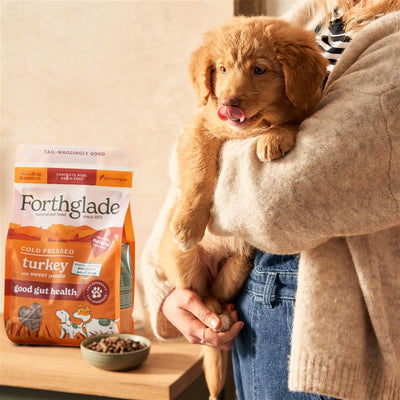
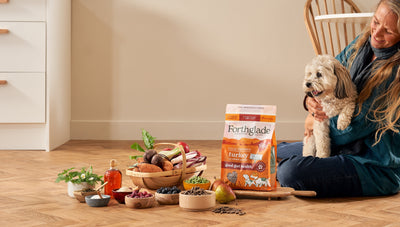
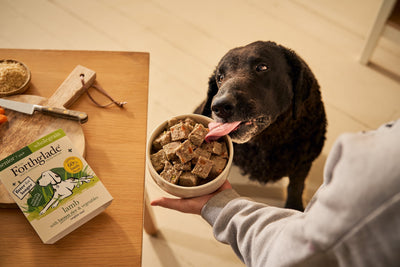
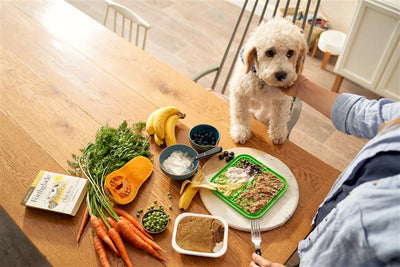
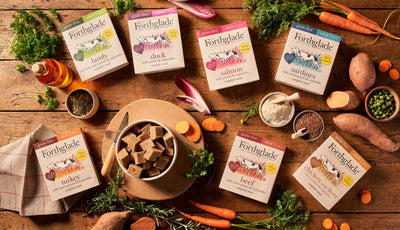
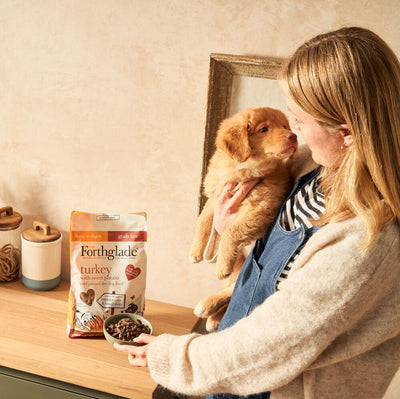
Labels containing ingredients that are easy to recognise are key: what type of protein is included? What other main ingredients can you see? Does the pack make it easy for you to understand what you’re feeding?
Clear labelling can take some of the guesswork out of choosing food.
It’s something vet and Forthglade ambassador Dr James Greenwood particularly values about Forthglade. Speaking about why he trusts the brand, he says:
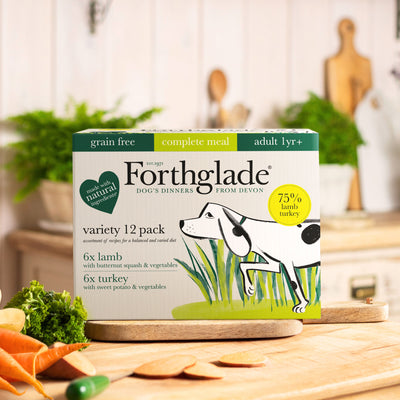
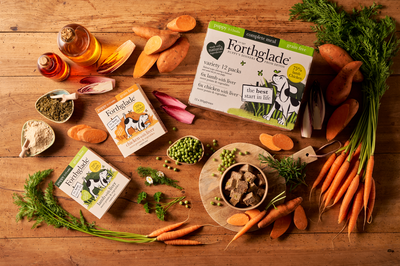
“Every recipe is natural; every single ingredient is clearly labelled on the packaging with nothing hidden and nothing artificial added.”
That transparency is at the heart of everything we do at Forthglade: straightforward recipes and information that helps owners make informed choices.
Look for clearly named sources of protein
One of Dr James’ tips when considering dog food is to pay attention to its protein source.
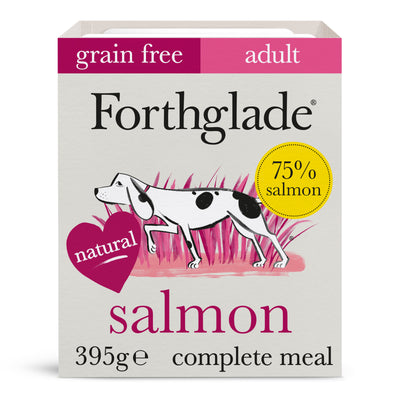
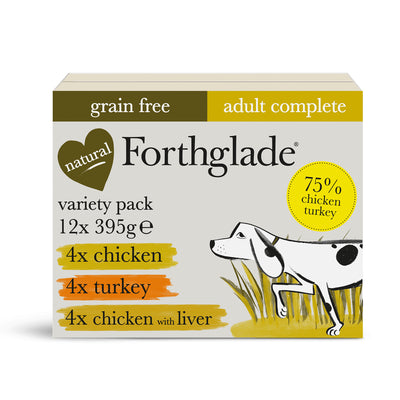
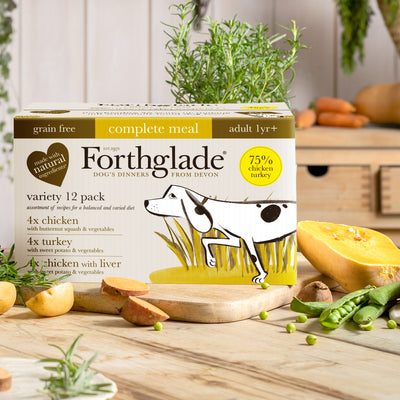
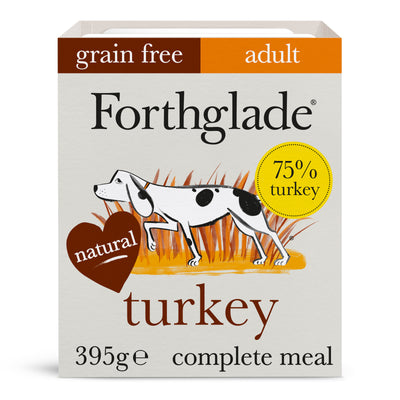
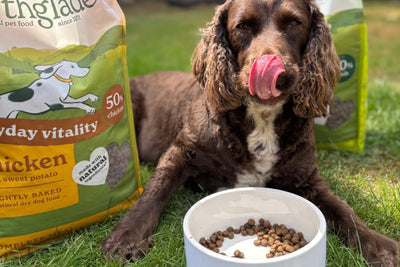
A useful starting point is checking whether the pack clearly tells you what type of protein is in the recipe. This means that the protein named on the front of the pack, is the same one you can clearly see listed highly in the ingredients list on the back of the pack.
Grain-free or with grains?
If you’re deciding between a grain-free or wholegrain diet, you might be wondering whether one is better than the other. Ultimately, it comes down to what’s right for your dog.
Whatever you choose, transparency is important. Blanket terms such as ‘cereals’, which can appear on some ingredients lists, can make it difficult to know exactly which grains are included in a recipe. Understanding the specific grains in your dog’s food means you can make a more informed choice and identify any ingredients you may prefer to avoid.
Discussing the term ‘cereals’, Dr James says:
“I prefer to see a whole list of vegetables, botanicals, complex carbohydrates listed really clearly, so that you know exactly what’s going into your dog’s food”
Reflecting on his experience visiting our factory in Devon, Dr James says:
“The reason I love Forthglade is because I've visited the factory in Devon and seen first-hand the care and attention that goes into sourcing the ingredients and the recipes themselves.”
For owners, that extra transparency can provide another layer of reassurance about the food they’re choosing.
There isn’t one ‘perfect’ choice for every dog
Perhaps one of the most reassuring things to remember is that dogs are individuals.
Age, size, activity levels, preferences and individual dietary needs can all influence what suits them best.
Understanding dog food isn’t about finding one universally “perfect” ingredient list. It’s about having enough information to choose something nutritionally appropriate that works well for your dog.
If your dog has allergies, a medical condition or particular dietary requirements, your vet can help you work through the options.
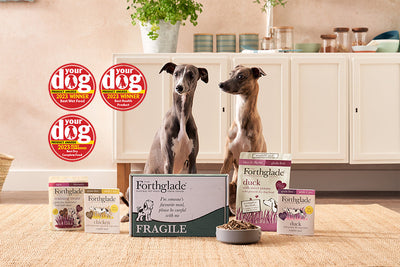
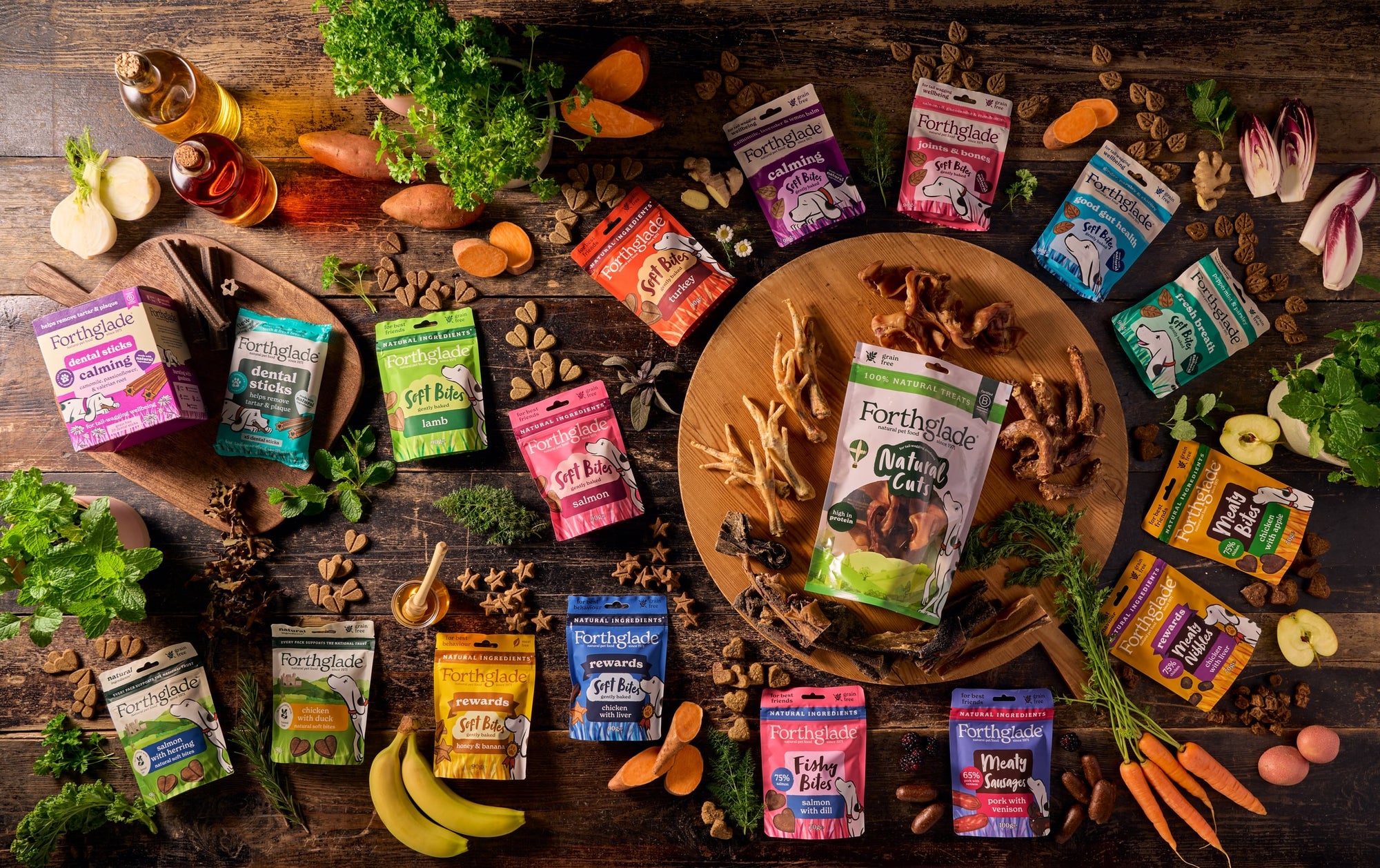
Discover Forthglade’s range of natural dog food and find a recipe that works for your four-legged friend.
We know that every dog is different, so we've created a quick and easy questionnaire to help make it easier than ever to find the perfect food for your four-legged friend.
Unfortunately we aren't able to make a recommendations around this type of product, please take a look at our full complementary range instead.
Step 1 / 11
Join our Community
Sign-up to get a discount on your first order. Keep up to date with Forthglade offers, exclusive discount codes and new product launches!