

- Save your dog's profile and update it any time
- Receive exclusive offers and discount codes
- Feeding guide recommendations for your dog
- Get personalised Subscribe and Save offers













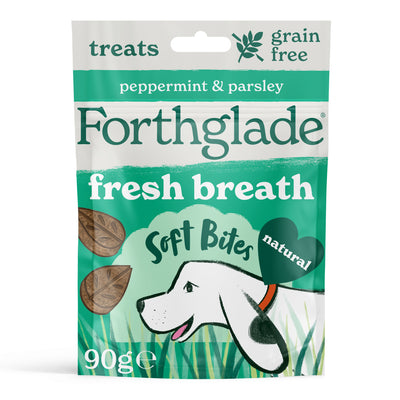

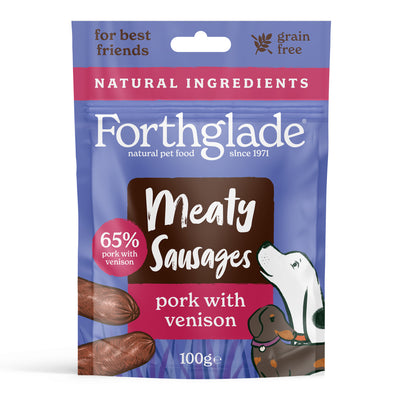



How Digestive Comfort Supports Behaviour in Dogs
When we think about behaviour in dogs, it’s very easy to focus on what we can see. The barking, the pulling on the lead, the jumping up or inability to settle in the evening. These challenging dog behaviours can feel overwhelming and frustrating for the human end of the lead - we can end up focusing simply on how we can stop the behaviour. But there’s a lot more beneath the surface of our dog’s bodies that might be playing into things - things we can’t see at face value.

The Gut–Behaviour Connection
What can help is to focus on a more simple but powerful question - how does my dog feel right now? Because when we shift our focus from controlling behaviour to understanding our dogs in a new way, we begin to see things differently. Behaviour stops being something to fix, and instead becomes something to listen to.
One of the most overlooked influences on behaviour and the emotional wellbeing of our dogs is their gut.
The stomach is known as the “second brain” for a reason - it’s where a lot of how we’re feeling is driven from - and it’s the same for our dogs. But digestive discomfort doesn’t always present in obvious ways. It isn’t always dramatic or acute. Sometimes it’s quiet, lingering, and easy to miss. And yet, its impact can be significant.
A dog who feels unsettled in their gut may also feel unsettled generally. You might notice your dog struggles to fully relax, appearing restless even after all their needs have been met. They might also react more quickly to everyday triggers than they once did. What we put into our dogs from a nutrition perspective, is a part of what we get out of them emotionally. This is where the gut-brain connection is important to understand.
As strange as it may sound, there is a line of communication between the digestive system and the brain. It’s not something we can see obviously, but it IS something we can observe through the emotional effects in our dogs. When the gut feels balanced and comfortable, it supports a more settled emotional state. When it doesn’t, it can contribute to feelings of unease, tension, and irritability.
Understanding the Microbiome
Inside our dog’s guts live an ecosystem of bacteria, often referred to as the microbiome. This community of bacteria plays a role not just in breaking down food, but in supporting the immune system and helping the body regulate stress. Changing seasons, poor quality nutrition, and high levels of stress can all impact this microbiome.
From a behavioural perspective, this matters more than we might initially realise. A dog whose microbiome is out of whack, or who feels physically uncomfortable in their gut, may find it harder to cope with things emotionally. They might feel more frustration, find it hard to engage in learning, be more vigilant to their environment, or be more inclined to create distance from things that feel scary. In these moments, behaviour responses are not always the dog’s choice in the way we might assume. Instead, it’s a reflection of their internal state.
Looking Beneath the Surface
This is why approaching behaviour without considering physical wellbeing can hinder our progress. We can put thoughtful training plans in place, we can adjust the environment, we can offer reassurance and guidance, but if the dog’s body doesn’t feel comfortable, those changes can only go so far. I liken it to an iceberg - the tip of which we see above the water can exemplify your dog’s challenging behaviour, such as barking. The mass of ice beneath the water that we don’t see, but which pushes the behaviour to be seen or heard, is your dog’s overall makeup - everything from their DNA, early experiences, health, pain, quality of sleep to the diet they eat. If we can improve things ‘beneath the water’ then you’ll see that tip of the iceberg - that barking - disappear.
Why Nutrition Matters
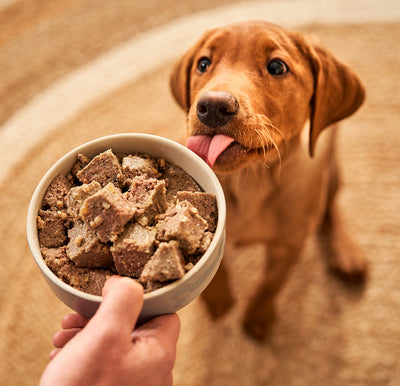
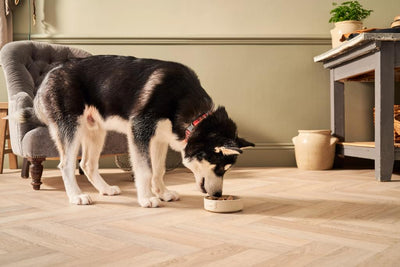
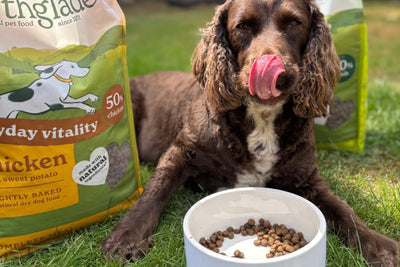
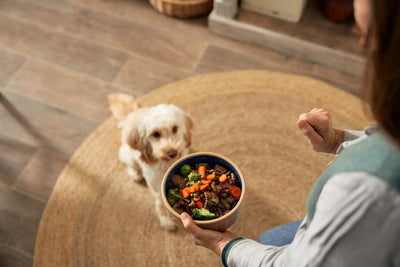
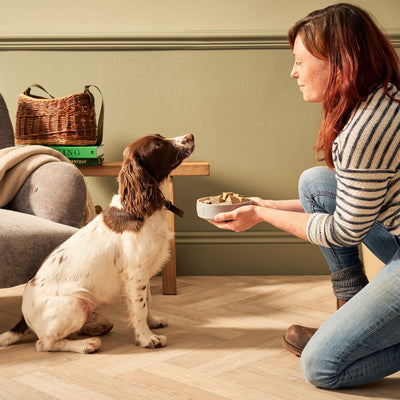
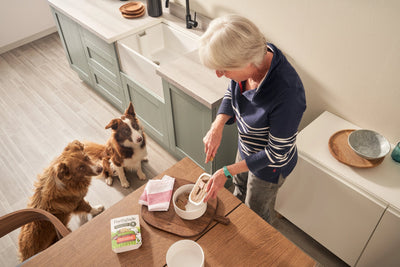
Food plays a central role in all of this. What we feed our dogs is one of the most consistent ways we influence how they feel internally. A balanced, natural diet supports not only digestion, but the wider systems that contribute to overall wellbeing - including feelgood happy hormone production. When we swap our dogs to a more natural, wholesome diet, we often begin to see subtle shifts. A dog who finds it easier to settle. A dog who recovers more quickly from moments of stress. A dog who feels just that little bit more at ease in themselves. These changes are not always dramatic, but they are meaningful.

The Importance of Natural Behaviours
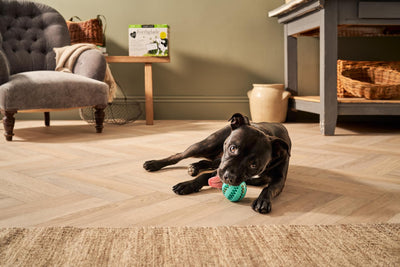
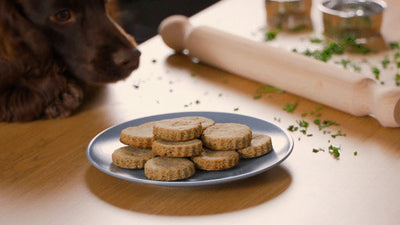
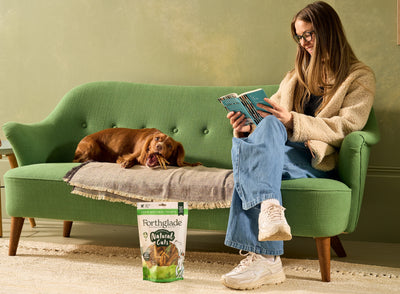
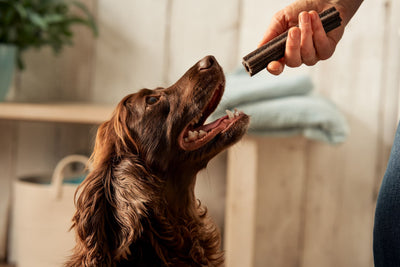
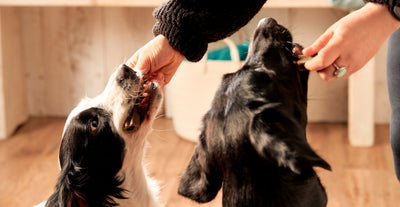
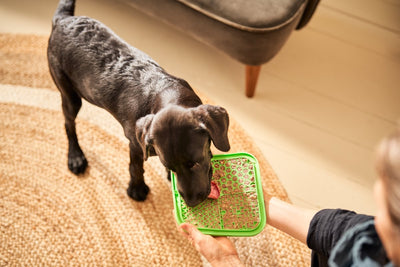
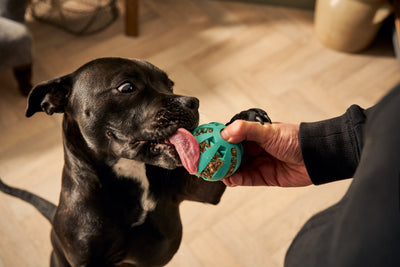
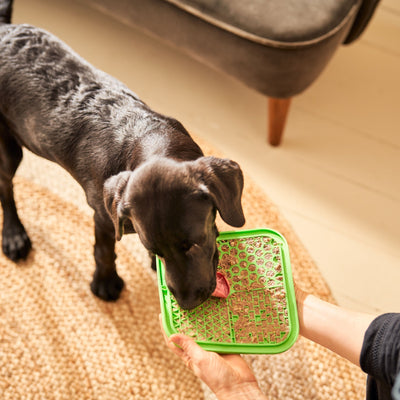
It’s not only just about what a dog eats, but how they eat it. Chewing, for example, is a natural doggy behaviour that offers more than we often give it credit for. Of course it supports the digestive process, but it also plays a role in emotional regulation. The act of chewing can be calming, helping to release tension and encourage a more settled state.
When we provide opportunities for this kind of natural relaxation and outlet for normal dog behaviours, we are supporting both body and mind in a way that feels intuitive to the dog. All of this brings us back to a central idea: behaviour change does not start with behaviour. It starts with comfort.
Comfort First
When a dog feels physically at ease, the world becomes easier to navigate. Learning feels more accessible. Frustration feels more manageable. Rest comes more naturally. And when we have a physically content dog, the behaviour changes we often hope to see begin to emerge without force.
So before we ask how to change a behaviour, it can be helpful to pause and ask something else entirely. Is my dog comfortable? Not just in the obvious sense, but in the subtle, internal ways that are so easy to overlook.
Supporting Your Dog’s Wellbeing
Supporting the gut–behaviour connection doesn’t require perfection. Making small changes in the quality of food you’re feeding is always going to aid progress. And when we support your dog’s internal wellbeing - when we prioritise comfort - we’re not just influencing digestion… we’re shaping how our dogs feel, how they cope, and ultimately, how they live alongside us.




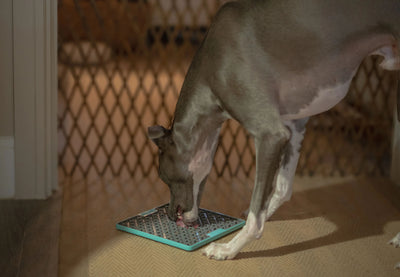
What to Put on a LickiMat: 6 Dog LickiMat Ideas From a Nutritionist
enrichment
lickimat
nutritionist

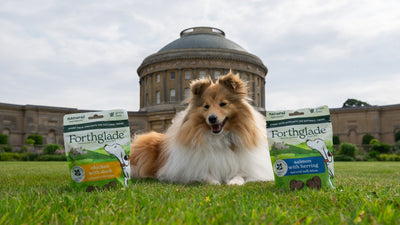
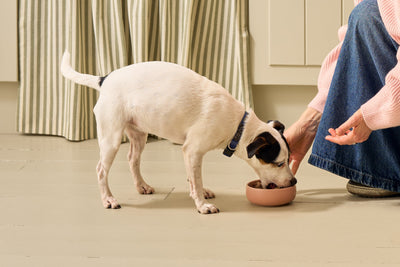
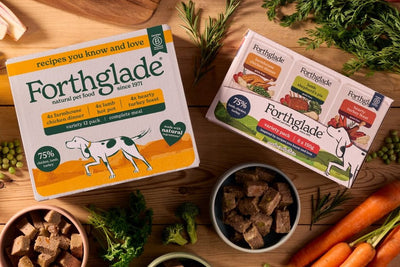





















Are Christmas Trees Toxic To Dogs? Dog Proofing Xmas Tree
christmas
Dog Ownership & Lifestyle
winter