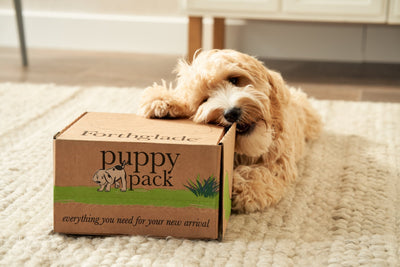
If you’ve ever wondered how to keep dogs from chewing furniture, then you’re definitely not alone. It’s a common challenge many puppy guardians face - and can be really frustrating when important things around your home get damaged. You might have only popped out for a few minutes, yet come back and find your table leg gnawed, cushions torn, or corners of your walls mysteriously “redecorated.”
While it can feel like your dog is being deliberately destructive, chewing is rarely a “naughty” behaviour. In fact, it’s usually your dog trying to meet their own needs - physical, emotional, or instinctive. The good news is - there are plenty of practical, kind, and effective ways to help guide your puppy or dog towards less expensive habits!
Why Does a Dog Chew Furniture?
Before we can stop any challenging behaviours happening with our dogs, it’s helpful to understand what’s driving them to occur in the first place. First off, chewing is a completely natural behaviour for dogs… BUT when it’s directed at your furniture, it might be a sign that something else is going on beneath the surface.
Teething
If you’re living with a young puppy, teething might be the reason behind their chewing. As adult teeth push through - usually beginning around 14-20 weeks old - puppies can experience discomfort and soreness in their gums. Just like we see babies trying to put anything they can in their mouths during this painful teething stage, the same can be seen in our dogs. Chewing can not only ease the discomfort but it also creates feel-good hormones which can help to reduce the feelings of pain.
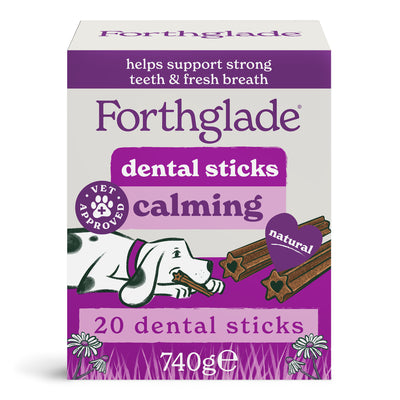
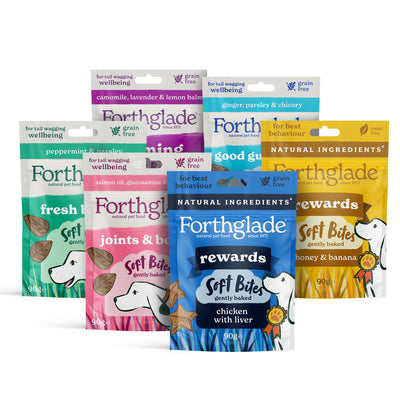
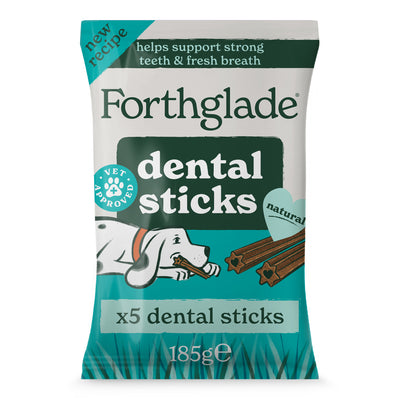
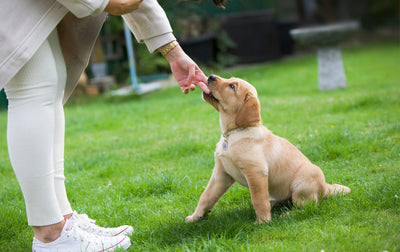
Offering safe natural alternatives for your dogs to chew - such as wet food stuff into a kong and frozen or a relaxing dental chew - while also positively rewarding good choices with puppy treats can help break the cycle of inappropriate chewing. It’s important to focus on how to help a teething puppy not punishing them for this natural behaviour.
Natural Instinct
Chewing is hardwired into dogs. It’s part of how they explore the world, keep their jaws strong, and even self-soothe. Some breeds will be more inclined to chew than others - and dogs that are feeling anxious are also more prone to chewing behaviour. For these dogs, chewing isn’t a bad habit - it’s simply a natural behaviour that needs the right outlet.
Boredom
A bored dog will often create their own entertainment - and unfortunately, that can involve your furniture. We often joke that a dog that isn’t employed by their humans will go “self-employed” looking for reward (payment!) in the wrong places! Dogs need both physical exercise and mental stimulation to feel fulfilled. And without enough appropriate stimulation, chewing might become a way for your dog to pass the time or release pent-up energy.
Separation Anxiety
Dogs are social animals and usually will quickly form strong bonds with their humans. When left at home alone for periods of time, some dogs experience stress or anxiety, which can lead to destructive behaviours like chewing. In these cases, the chewing isn’t about the furniture itself - it’s a coping mechanism for emotional discomfort. If you’re worried that your dog is struggling with some form of separation related challenge, then start off by filming them when they’re left alone to see what’s happening - are they just having fun, or are they actually feeling stressed?
Seeking Attention
Sometimes dogs learn that certain behaviours, such as chewing, get a reaction. Even if that reaction is frustration or telling them off, it’s still attention - and for social dogs, getting any form of focus from their humans is enough to reinforce the behaviour.

Home Remedies to Help Stop a Dog From Chewing Furniture
The good news is that there are plenty of gentle, effective ways to redirect your dog’s chewing behaviour. The aim isn’t to stop chewing altogether (that could bring other issues!) - it’s to guide it towards more appropriate outlets.
1. Increase Their Exercise
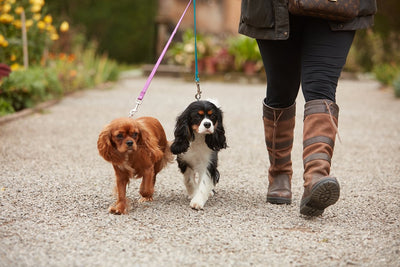
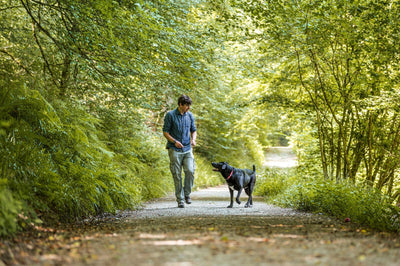
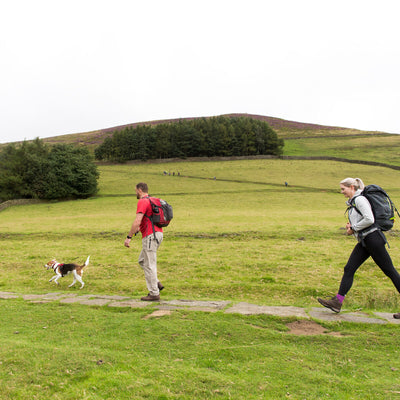
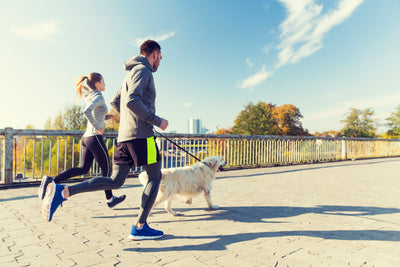
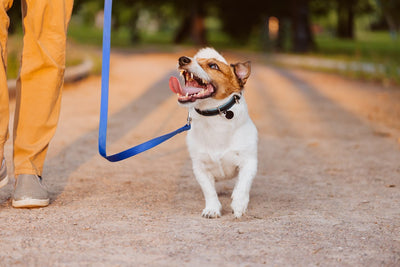
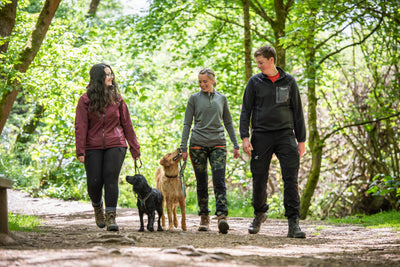
One of the simplest first-try solutions is ensuring your dog gets enough exercise - both to ensure physical and mental outlet. A dog with pent-up energy is less likely to do any boredom-related chewing.
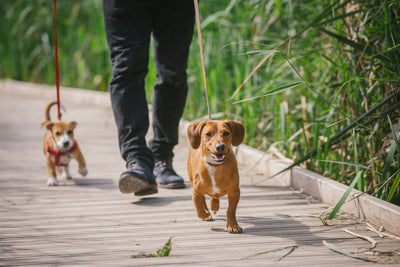
Regular walks, play sessions, and plenty of sniffing opportunities can make a big difference. Always tailor activity to your dog’s breed and age, ensuring you also balance activity with lots of quality rest.
While extra workouts might not be the answer - often there’s more of an emotional reason behind chewing - it’s a very good starting point!
2. Provide Plenty of Chew Toys
If your dog has nothing appropriate to chew, to be able to do this most-natural of doggy behaviours, then they’ll find something - and unfortunately that might be your sofa or table legs.
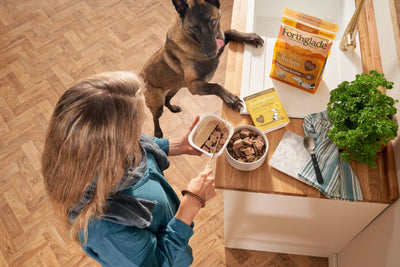
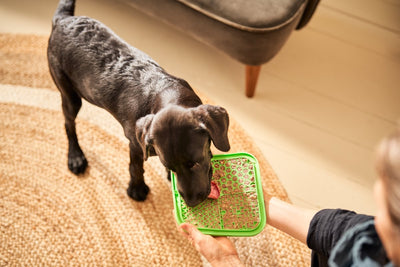
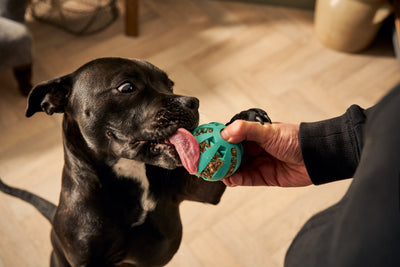
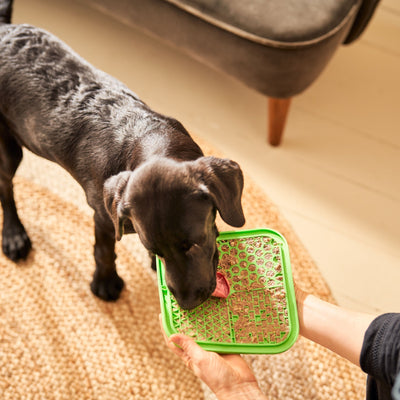
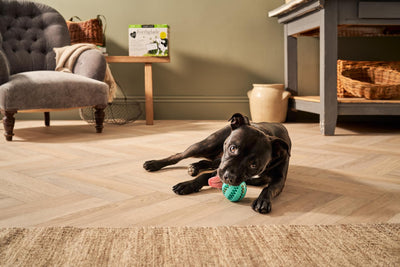
Offer a variety of durable chew toys and rotate them regularly to keep things interesting. Novelty plays a big role in keeping dogs engaged. Fill these food toys with their usual wet or dry food and throw in some high value treats as extra prizes to be found!
Puzzle toys that dispense treats can also be a great way to keep your dog mentally stimulated. Just make sure with any new toy, you’re keeping an eye on your dog’s interactions with it to ensure they’re using it safely.
3. Offer Tasty, Natural Chews
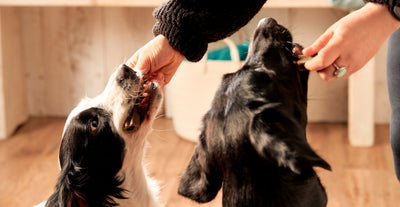
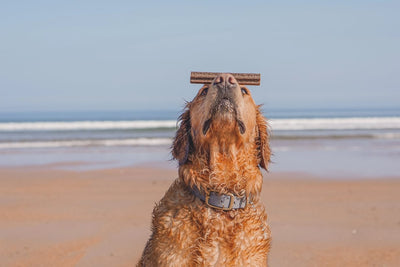
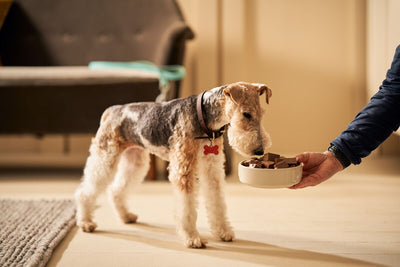
Sometimes, a toy alone isn’t enough. That’s where natural chews come in - something tasty, long-lasting, and satisfying can provide a much more appealing alternative to furniture.
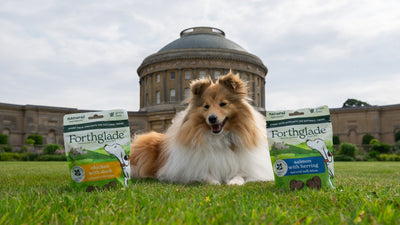
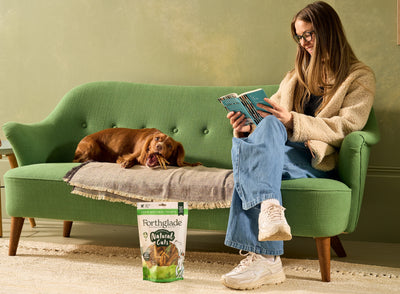
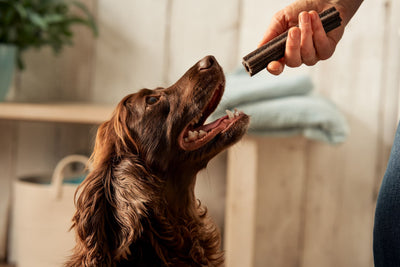
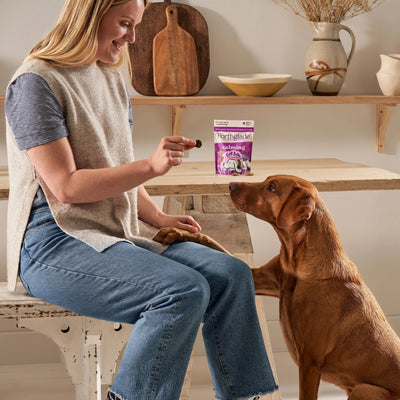
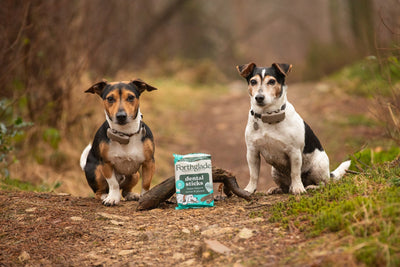
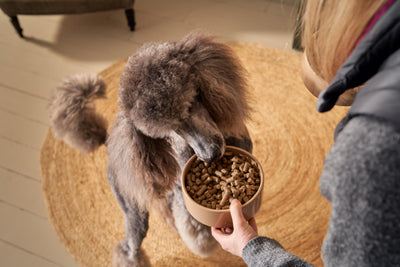
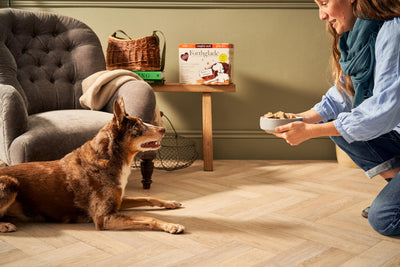
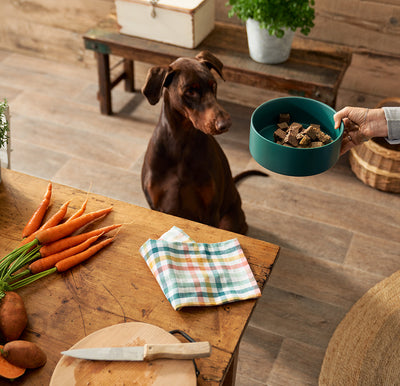
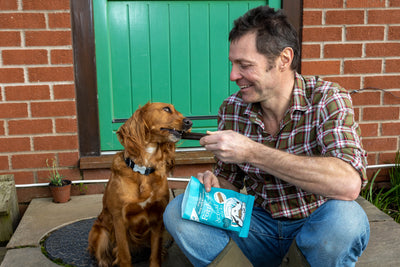
Forthglade’s natural cuts are designed to do just that. They tap into your dog’s natural chewing instincts while offering a rewarding and appropriate outlet. Not only do they help keep your dog occupied, but they can also support calm, settled behaviour through the act of chewing itself.
4. Use Deterrents
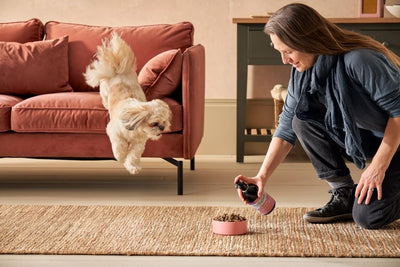
Avoid using anti-chew sprays as while they have been designed to taste unpleasant but be safe if your dog ingests them, some dogs might still react to them. They’re also not providing an alternative appropriate outlet, instead punishing the chewing behaviour. While their aim is to make the surfaces they’re applied to less appealing, for some dogs who have a more eclectic palette they also might just not work!
5. Manage the Environment
If your dog keeps returning to the same spots to chew, you can execute some management strategies such as using stair gates, pens, or carefully placed items to block their access to these areas. While managing their access, make sure you’re providing lots of fun chewing opportunities so they get used to chewing the things we want them to chew, while we’re preventing them from chewing the things we don’t want them to.
Creating a safe, dog-friendly space can make a big difference. This might be a designated room or a crate, set up with comfortable bedding and appropriate toys. If you’re considering this approach, our guide on how to crate train a puppy can help you get started in a positive way.
6. Use Positive Reinforcement Training Methods
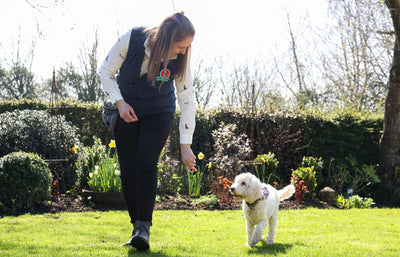
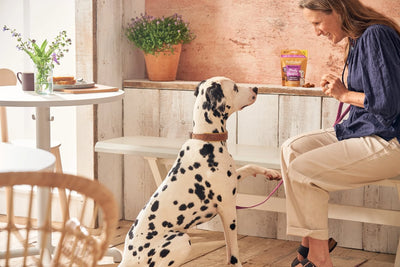
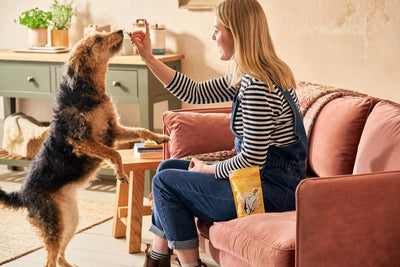
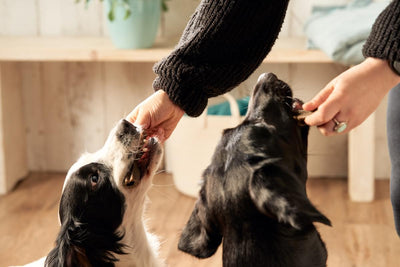
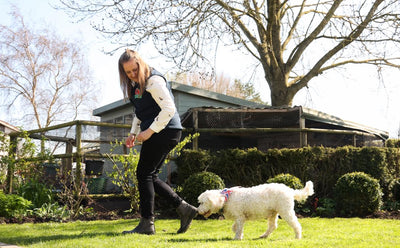
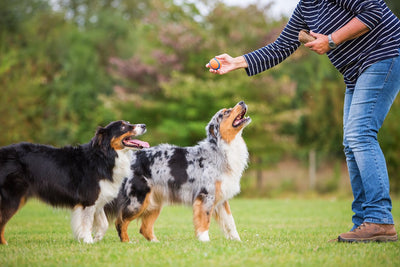
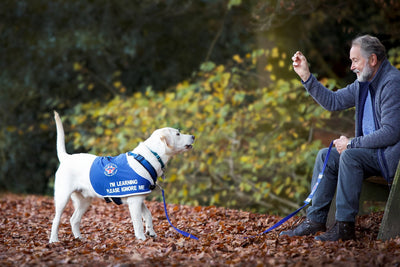
Training plays a key role in shaping your dog’s behaviour - and positive reinforcement is one of the most effective and kindest approaches. When you see your dog looking at a piece of furniture or moving towards it, add in an attention cue such as a kissy noise or their name - then when you get their focus, mark that moment by saying “yes” or using a clicker, then throw some dog treats in the opposite direction for them to chase.
You can also work on “leave” and “drop” cues as well as giving your dog plenty of time chewing the right things. Over time, this helps your dog learn what is acceptable, rather than simply being told what isn’t.
It’s important to remember that chewing is a natural behaviour and punishing your dog for it can lead to confusion or anxiety. By guiding them with patience and consistency, you’ll build habits that last.

Conclusion
Helping to change up problematic chewing behaviour stars with understanding. Learn why your dog is chewing - teething, boredom, anxiety, or instinct - and understand that chewing is your dog’s way of communicating a need.
By providing appropriate outlets, managing the environment, and using positive reinforcement, you can gently guide your dog towards better habits - without frustration or fear needed on either side.
It’s also worth remembering that overall wellbeing plays a role in behaviour. A balanced, nourishing diet supports not just physical health, but emotional balance too. Exploring options like wet dog food or dry dog food can be a positive step towards supporting your dog from the inside out.
With patience, understanding, and the right approach, your dog can learn what’s theirs to chew - and what’s best left alone.