

- Save your dog's profile and update it any time
- Receive exclusive offers and discount codes
- Feeding guide recommendations for your dog
- Get personalised Subscribe and Save offers















5 Ways to Care for your Dog’s Joint Health
Joint health for dogs plays a vital role in how comfortably they move, run and rest throughout their lives. Whether you share your home with a lively young dog or a slowing senior, well-supported joints help maintain mobility and independence.
As dogs age, natural wear and tear, changes in muscle mass and shifts in body composition can all affect dog joint health. The good news is that there are simple, consistent steps you can take to support your dog’s joint health at every life stage.
Here are five practical ways to help care for your dog’s joints.

Why is it Important to Keep a Dog’s Joints Healthy?
When dog joint health begins to decline, you may notice stiffness, reluctance to exercise or difficulty rising from rest. Over time, reduced movement can lead to muscle loss, weight gain and further strain on joints. Supporting joint health for dogs is not only about preventing discomfort. It helps maintain quality of life, independence and the ability to enjoy normal daily activities, especially as dogs get older.
How to Improve Dog’s Joint Health
Looking after your dog’s joints involves a combination of nutrition, lifestyle and early awareness.
1. Weight Management
Maintaining a healthy body weight is one of the most important factors in dog joint health.
Excess weight increases the load placed on joints, particularly hips, knees and elbows. Over time, this added strain can accelerate cartilage wear and increase the risk of osteoarthritis. Even small amounts of excess body fat can significantly affect mobility.
Monitor your dog’s body condition score, adjust portions of food if activity levels change, and ensure treats are included within their daily calorie intake. Keeping your dog lean reduces unnecessary pressure on their joints.
2. High-Quality, Complete Natural Nutrition
Nutrition provides the building blocks for healthy joints.
A complete, natural balanced diet supplies:
- High-quality protein to support muscle mass, which stabilises joints
- Essential fatty acids to help regulate normal inflammatory processes
- Key compounds involved in cartilage maintenance
Choosing high-quality natural dog food ensures your dog receives consistent nutritional support.
It is also important to feed appropriately for your dog’s lifestage. Nutritional needs shift as dogs age, so reviewing the differences between puppy, adult and senior dog food can help ensure you are meeting their changing requirements.
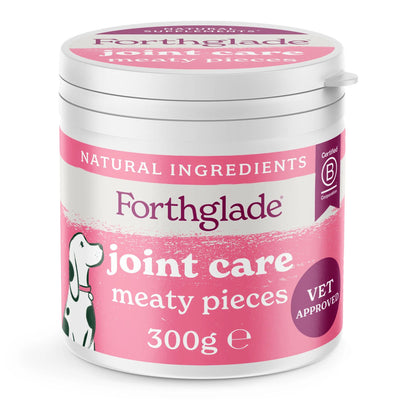
For additional joint support, products such as Joint Care Meaty Pieces can be included as part of a wider routine. In these meaty pieces you will find a range of targeted ingredients including:
Green lipped mussel
Green lipped mussel is a natural source of omega-3 fatty acids, including EPA and DHA, alongside glycosaminoglycans (GAGs). GAGs are important structural components of cartilage and synovial fluid which is the fluid that cushions joints. The omega-3 fatty acids it contains help support normal inflammatory pathways, which is particularly important in ageing joints where low-grade inflammation can contribute to stiffness.
Glucosamine
Glucosamine is found in cartilage. With age, the balance between cartilage breakdown and repair can shift. Providing glucosamine in the diet helps supply the raw materials involved in normal cartilage maintenance.
Chondroitin sulphate
Chondroitin sulphate is also found in cartilage. It contributes to “shock absorption.” Chondroitin is often paired with glucosamine because they act on complementary aspects of joint structure. Together, they help support the integrity of connective tissue over time.
Turmeric
Turmeric is thought to support normal inflammatory responses and antioxidant balance in the body.
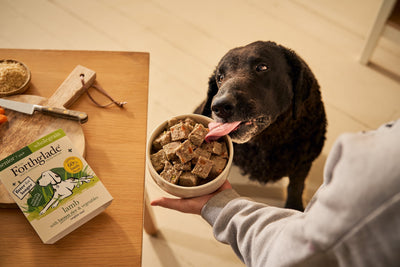
Alongside these ingredients, Forthglade’s Joint Care Meaty Pieces contain high-quality protein sources, which matter more than many owners realise. Protein provides amino acids that are required for the maintenance of muscles, tendons and ligaments. Strong surrounding musculature reduces mechanical stress placed directly on joints.

When used consistently as part of a balanced diet and lifestyle approach, these targeted ingredients can help support dog joint health and mobility over time.
3. Regular Exercise
Movement strengthens muscles, and strong muscles help support joints.
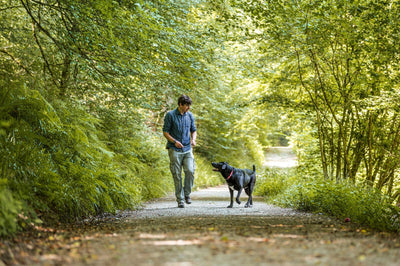
Regular, appropriate exercise maintains muscle mass, supports circulation and helps manage body weight. For working or high-energy dogs, healthy joints are essential to cope with the physical demands placed on their bodies.
For older dogs, low-impact activities such as steady daily walks or swimming are often beneficial. These support joint mobility without excessive strain.
It is equally important to avoid repeated high-impact activities that may increase injury risk, such as excessive ball chasing, repeated jumping into cars, charging up and down stairs or sustained running on hard, uneven ground. If you enjoy running with your dog, build fitness gradually and ensure adequate recovery.
Balance is key. Too little movement weakens support structures but too much strain increases wear.
4. Comfortable Support
Small environmental adjustments can make a significant difference to dog joint health.
Orthopaedic beds provide cushioning and reduce pressure on joints during rest. Pet ramps can help avoid repetitive jumping into cars or onto furniture. Non-slip rugs on hard floors reduce the risk of slipping, particularly for older dogs. In addition, raised bowls can make eating and drinking more comfortable.
Keeping dogs warm and dry during colder months may also improve comfort, especially in those already experiencing stiffness. Cold, damp conditions can make joint discomfort more noticeable. Again, it’s about balance, wrapping dogs in towels or robes can be problematic if you are battling a recurring skin issue, so ensure your dog is dry before you layer them up.
5. Early Intervention
Some breeds are more predisposed to joint issues, including dachshunds because of their long spines, and larger breeds like German shepherds and Labradors. However, any dog can experience joint concerns.
Supporting dog joint health before visible stiffness develops is often more effective than waiting for significant decline.
Routine vet checks, body weight monitoring and attention to subtle behaviour changes all contribute to early identification. Addressing minor mobility changes early can help slow progression and maintain quality of life.
Signs of Joint Problems
Watch for the following signs that may indicate joint discomfort:
- Limping
- Stiffness, especially after rest
- Slowing down on walks
- Difficulty standing from sitting or lying
- Warm or swollen joints
- Whining or sensitivity when moving
- Excessive licking or chewing at a specific area
- Coat changes (hair changing direction)
- Changes in posture
- Muscle loss
- Lethargy
- Irritability
- Reduced interest in normal activities
If you notice any of these signs, speak to your vet.
Supporting Your Dog for the Long Term
It’s really important that your dog’s joint health becomes part of a consistent routine. Maintain a healthy weight, feed complete natural nutrition, provide appropriate exercise, create a supportive home environment and act early when changes appear. If you are looking for additional nutritional support, Joint Care Meaty Pieces can be included as part of your dog’s ongoing routine, alongside balanced meals and regular veterinary care.






What to Put on a LickiMat: 6 Dog LickiMat Ideas From a Nutritionist
enrichment
lickimat
nutritionist















































Are Christmas Trees Toxic To Dogs? Dog Proofing Xmas Tree
christmas
Dog Ownership & Lifestyle
winter