

- Save your dog's profile and update it any time
- Receive exclusive offers and discount codes
- Feeding guide recommendations for your dog
- Get personalised Subscribe and Save offers

Why Some Dogs Need a Little More Encouragement at Mealtimes
When it comes to dogs and dinner time, most of us expect wagging tails, excitement, and quickly emptied bowls. But for some dogs, mealtimes aren’t always a positive experience.
Some dogs hesitate around food. Some lose interest quickly. Others seem enthusiastic one day and uncertain the next. And while it can be tempting to label these dogs as “fussy” or “picky”, the reality is often far more nuanced than that.
Because eating isn’t just physical.
Yes, some foods will upset your dog’s stomach. Some foods have low quality ingredients that don’t entice your dog towards their meals.
But for some dogs, food can also carry emotional associations from past experiences or even memories of discomfort.
This is why it’s important for us to step away from the ‘fussy’ label and question, “How do I stop my dog from being difficult around food?” and move towards investigating, “What might my dog be communicating about how they feel around food?”
Food Is Emotional, Not Just Nutritional
Dogs form associations incredibly quickly. If a dog has previously eaten foods that left them feeling uncomfortable - perhaps due to digestive upset, poor quality ingredients, or simply a diet that didn’t suit them particularly well - they can begin to associate eating with feeling pain in their gut afterwards.
Even once you’ve transitioned them onto a healthier, more natural diet, that emotional connection doesn’t always disappear overnight.
This can sometimes feel confusing from our perspective as pet parents. Your dog may approach the bowl, sniff it, walk away, then return a few minutes later. They may seem interested in the food itself, but hesitant to fully commit to eating it.
This isn’t stubbornness. And very often, it isn’t about the dog simply “being fussy”. Sometimes, dogs just need help rebuilding positive associations with food again.
For some dogs, eating requires a level of trust - trust that food will feel good afterwards, trust that the environment feels safe, and trust that mealtimes are predictable and enjoyable rather than stressful or uncertain.
Sometimes the Problem Isn’t the Food Itself
When a dog struggles around eating, it’s also important to remember that the issue isn’t always the food alone.
Dogs experience the world very differently to us, and small details in their environment can have a surprisingly large impact on how comfortable they feel eating.
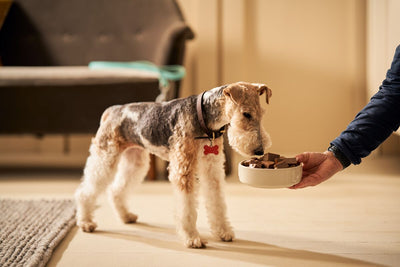
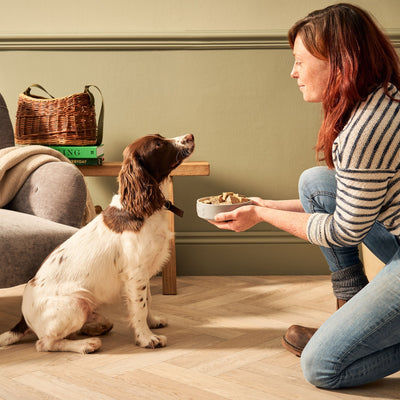
For example, a food bowl positioned close to a noisy washing machine, back door, or busy hallway may feel stressful or overstimulating for some dogs. A dog who already feels uncertain around food may find it difficult to relax enough to eat in a space where loud or sudden noises happen regularly.
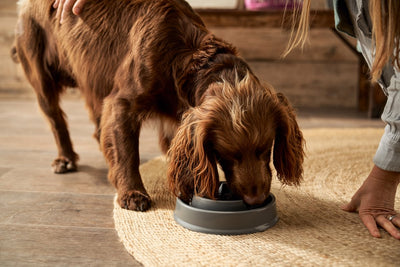
Even the bowl itself can matter more than we realise.
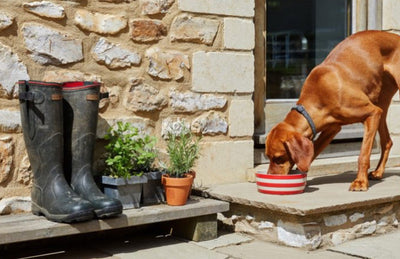
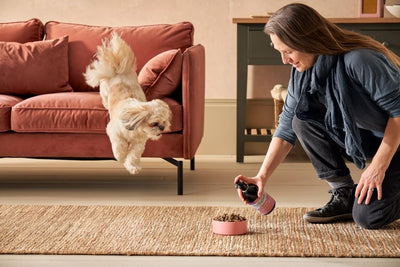
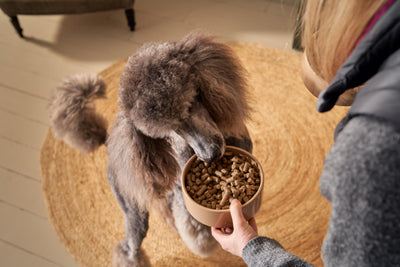
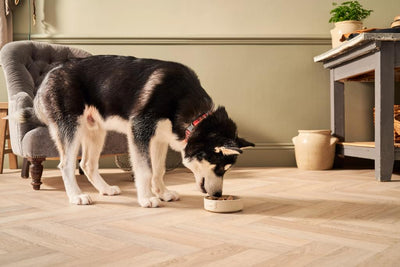
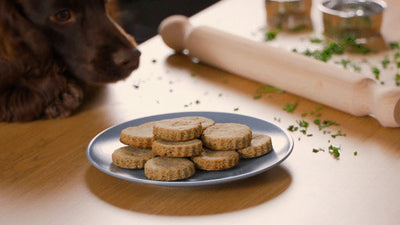
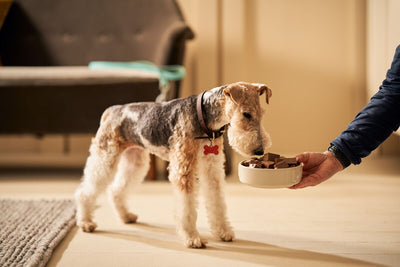
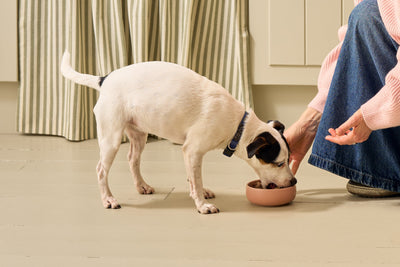
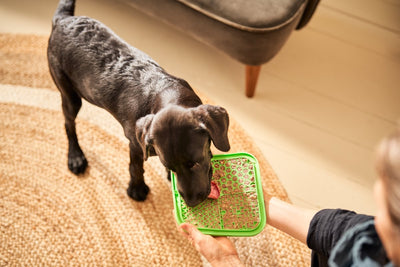
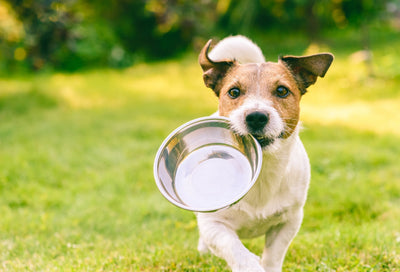
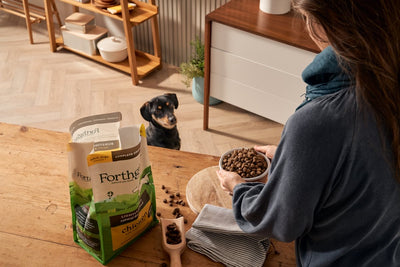
Some dogs dislike metal bowls because reflections can feel unsettling. Others may dislike the sound of their collar tag clinking against the side of the bowl every time they lower their head to eat. For more sensitive dogs, these repeated little experiences can slowly create negative associations around mealtimes. And tiny changes such as scattering your dog’s food or putting it on a flat plate can help.
Physical comfort can also play a role. The height the bowl sits at, the flooring underneath them, or even where they are positioned in relation to people or other dogs can affect how safe and relaxed they feel.
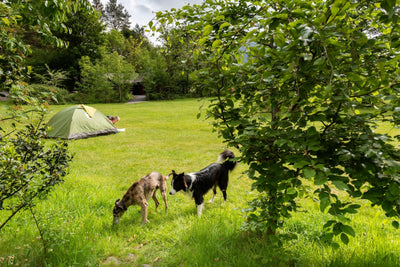
You may also notice your dog only struggles to eat in certain situations - perhaps when staying somewhere new, visiting family, or going away on holiday. This is actually very understandable from a behavioural perspective.
In unfamiliar environments, dogs’ natural survival instincts can become more active. Before they are able to settle into eating properly, they first need to feel safe enough within the environment around them. That’s why some dogs may refuse meals during the first evening somewhere unfamiliar, before gradually relaxing and eating normally once they feel more secure.
Why Routine Matters More Than We Often Think
There’s a common belief that dogs should simply be allowed to eat when they feel like it - grazing throughout the day or eating at random times. Yes, over their evolutionary history wild dogs might have grazed, might have had feast or famine… but our dogs today are not wild dogs.
The dogs we live with are domesticated animals living in human homes, with routines shaped around modern daily life. And for many dogs, predictable mealtimes can actually be incredibly beneficial.
Regular eating patterns help support:
- Stable energy levels
- Better digestive consistency
- Improved sleep quality
- Ease of toilet training
- Emotional regulation
Routine itself can feel calming for dogs. Knowing when food is coming removes uncertainty and helps our dogs settle.
There’s also an important emotional connection involved in eating.
Pleasurable eating experiences can help support the release of feel-good hormones such as serotonin and oxytocin - chemicals associated with relaxation, bonding and overall emotional wellbeing.
So mealtimes aren’t simply about nutrition. They can also become an important part of supporting your dog emotionally. When dogs consistently enjoy their meals and feel relaxed while eating, we’re not just supporting their stomach - we’re supporting their nervous system too.
Why Adding a Tasty Boost Can Help
Just as humans often enjoy meals more when they smell appealing, contain variety, or feel satisfying to eat, dogs can also benefit from food feeling more enticing and rewarding.
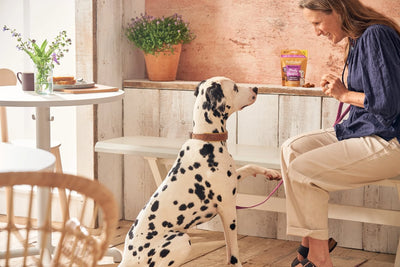
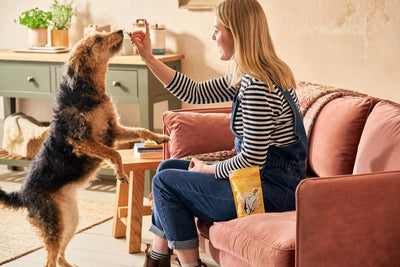
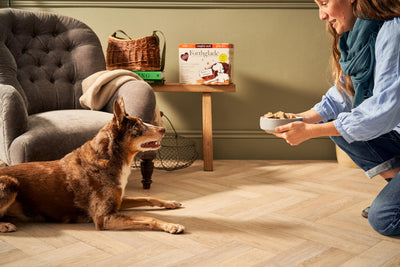
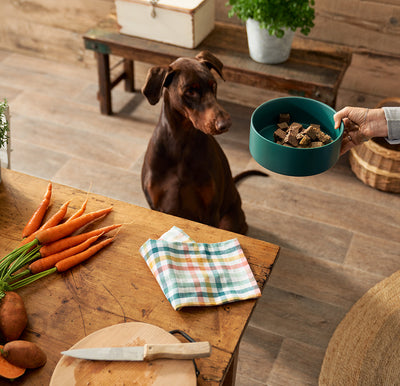
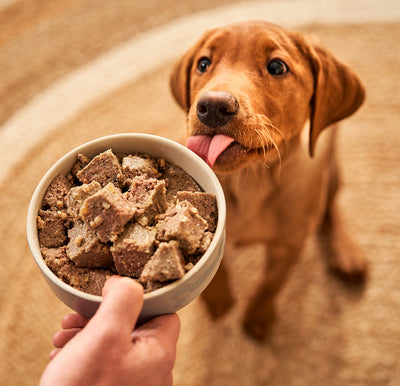
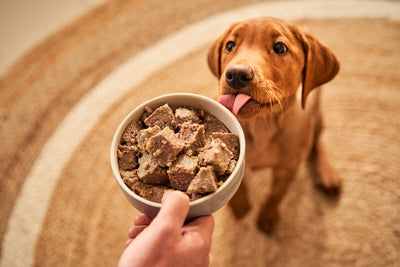
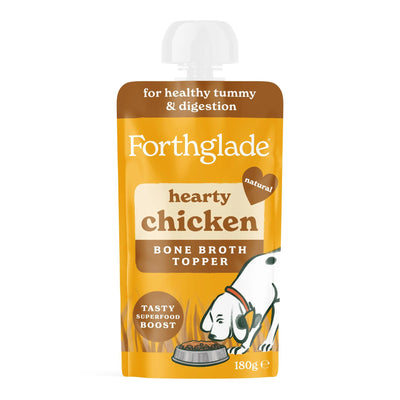
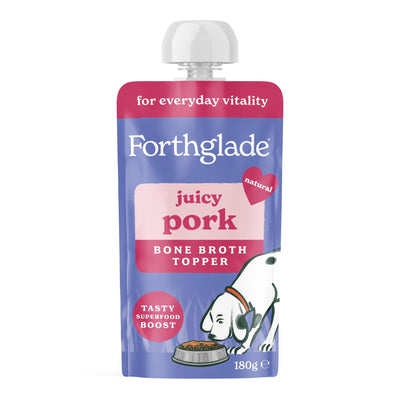
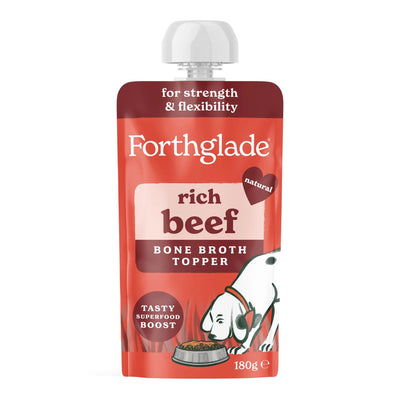
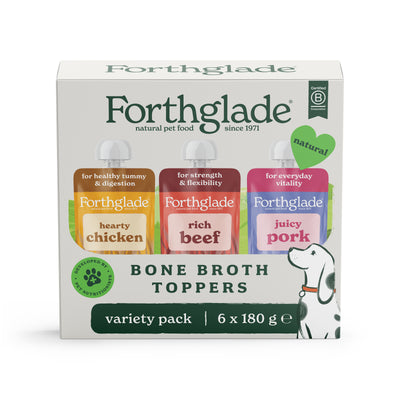
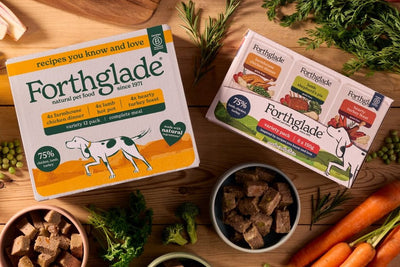
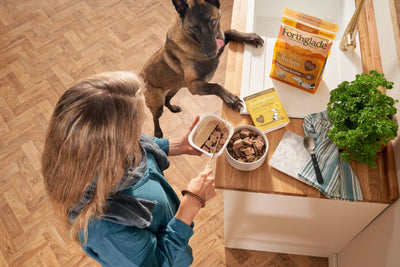
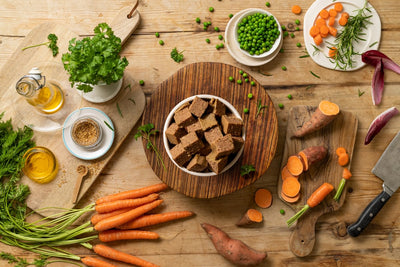
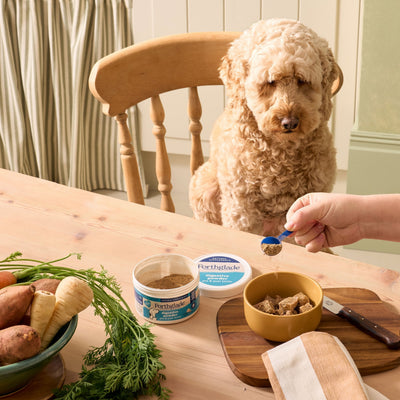
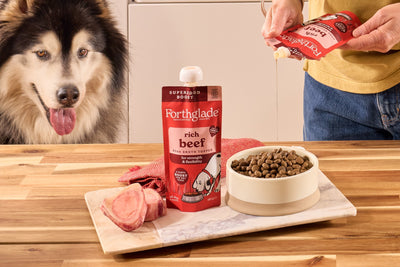
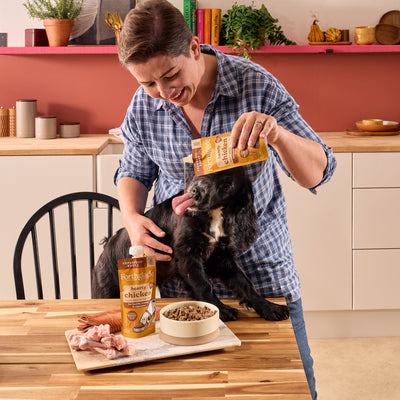
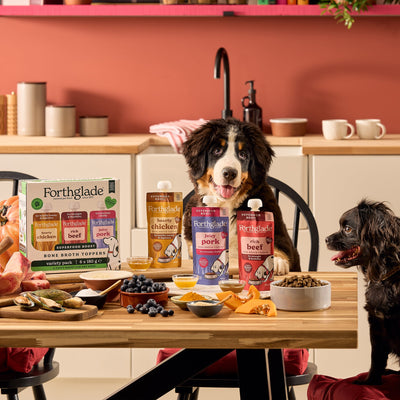
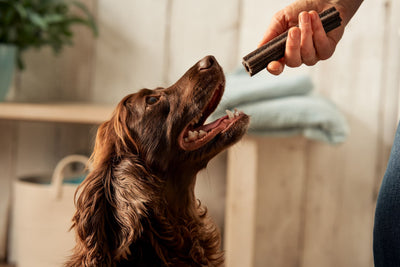
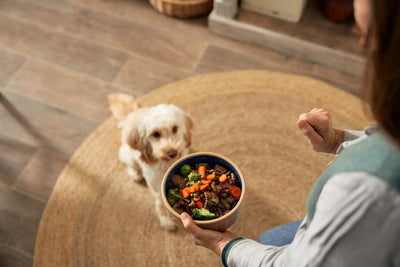
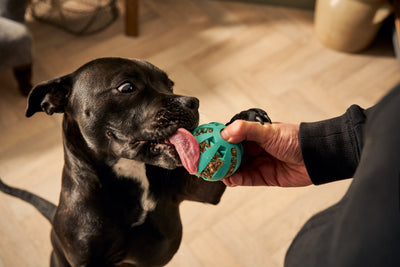
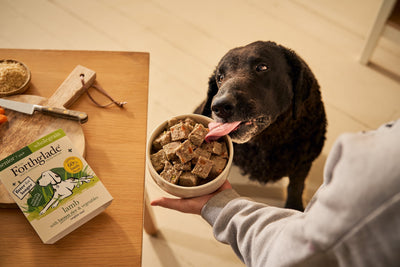
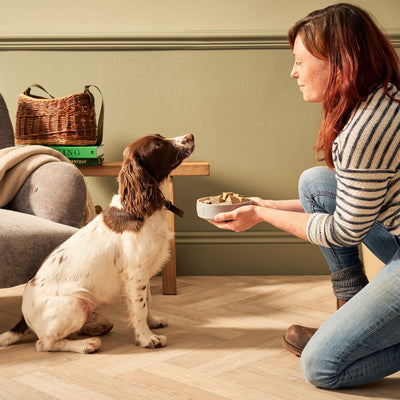
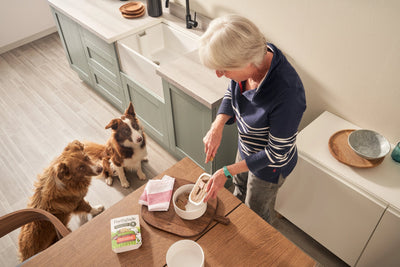
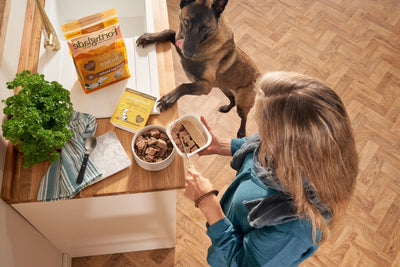
Adding a tasty topper to meals can help increase interest naturally through additional aroma, flavour and texture.
For dogs who feel uncertain around food, this can help transform mealtimes from something emotionally neutral - or even negative - into something genuinely enjoyable again.
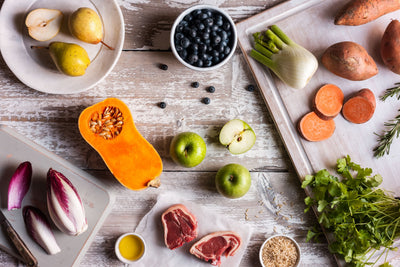
Alongside feeding a natural, high-quality diet that supports dogs physically, adding toppers can also provide an additional nutritional boost to meals.
And for many guardians, this can become a simple, supportive way to help dogs reconnect positively with food again.

Supporting Dogs Without Pressure
When a dog struggles around food, it’s easy for mealtimes to become emotionally loaded for everyone involved.
Guardians naturally worry whether their dog is eating enough. Dogs may start sensing that concern or pressure around the bowl. And before long, eating can begin to feel stressful rather than enjoyable.
Sometimes, the most helpful thing we can do is take a step back and focus on creating positive experiences around food again rather than simply focusing on the amount eaten.
Small changes can often make a surprisingly big difference.
Food Should Feel Good
At its core, eating should feel enjoyable.
For some dogs, that comes easily. For others, mealtimes may require a little more patience, understanding and support.
Sometimes a dog isn’t refusing food because they’re difficult.
Sometimes they’re communicating uncertainty, discomfort, stress, or previous negative experiences in the only way they know how.
By supporting dogs both emotionally and physically around food - through routine, environment, positive associations, natural nutrition and tasty additions that help meals feel exciting again - we can help rebuild confidence around eating over time.
Because dogs don’t need extra pressure from the humans they live with. They simply need help feeling good about food again.
And a little tasty boost can go a long way in supporting that journey.




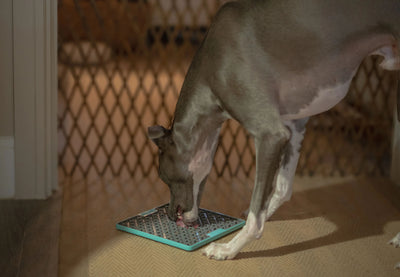
What to Put on a LickiMat: 6 Dog LickiMat Ideas From a Nutritionist
enrichment
lickimat
nutritionist











Are Christmas Trees Toxic To Dogs? Dog Proofing Xmas Tree
christmas
Dog Ownership & Lifestyle
winter