

- Save your dog's profile and update it any time
- Receive exclusive offers and discount codes
- Feeding guide recommendations for your dog
- Get personalised Subscribe and Save offers

How Joint Comfort Can Affect Mobility & Behaviour
When we think about changes in our dogs’ behaviour, it’s easy to focus on the obvious. The reluctance to go for a walk or the sudden disinterest in play. They might appear less social - avoiding interactions with other dogs, or even changing how they interact with you. These sorts of shifts can feel concerning, especially when they seem to come out of nowhere.
Understanding the Link Between Dog Behaviour and Physical Comfort
But behaviour rarely appears in isolation. Much like us, our dogs’ actions are often a reflection of how they feel physically. And one of the most commonly overlooked areas influencing behaviour is pain or discomfort - often brought about by joint comfort and mobility.
A dog doesn’t need to be obviously in pain or limping to be uncomfortable. Joint stiffness, low-level aches, or reduced mobility can quietly influence how a dog moves through the world - and in turn, how they respond to it.
It can be really helpful to consider not just why your dog is acting the way they are - but instead how movement feels for them right now. Because when movement doesn’t feel good, our dog’s whole behaviour can shift. Walks, play, exploration, social interactions - these are all built on the foundation of how comfortable our dog’s bodies feel.

Signs Your Dog May Be Experiencing Joint Discomfort
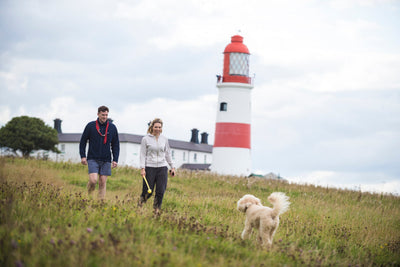
So, if a dog begins to associate movement with discomfort, even low-level pain, you might start to notice shifts in their approach to the world. Perhaps they’ll start to hang back on walks where they once led the way. Maybe they hesitate before jumping into the car, or take longer to get up after resting. You might see less enthusiasm for games they once loved, or a preference for shorter, slower outings.
Sometimes, these changes are mistaken for aging, “stubbornness”, or even a training issue. But often these signs are the dog’s body speaking to us.
Dogs are incredibly good at adapting - and being very much led by survival instincts, rather than showing obvious signs of pain, many dogs will simply change their behaviour to avoid discomfort. They might move less, rest more, or opt out of situations that once felt enjoyable.
From the outside, it can look like a personality shift. But underneath, it’s often about comfort.
How Joint Pain Can Influence Your Dog’s Mood and Behaviour
Joint discomfort doesn’t just affect how a dog moves - it can influence how they feel. If you’ve ever had a sore neck, back or even just a simple headache - you’ll know how it feels to try and navigate your day with that persistent ache. Even if it’s not severe - it’s there in the background. And that little bit of discomfort can shape your energy levels, your patience, and your tolerance for stress. It’s no different for our dogs.
A dog who feels physically uncomfortable may become more easily frustrated. They might have less patience in social situations, feel more sensitive to touch, or react more quickly to things in their environment.
You might notice:
- A reduced tolerance for handling (like grooming or being touched in certain areas)
- Increased irritability around other dogs
- A reluctance to engage in training or learning
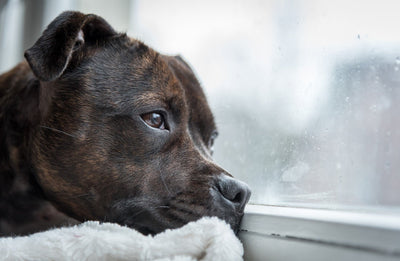
- Difficulty settling or getting comfortable
These behavioural changes aren’t about disobedience or your dog being ‘naughty’. When a dog’s body doesn’t feel strong - their confidence can dip alongside their capacity to cope - so their ability to deal with everyday situations reduces. Things that once felt manageable may suddenly feel a bit too much to handle. And just like with other aspects of wellbeing, behaviour becomes a reflection of that internal state.
Early Warning Signs of Mobility Issues in Dogs
Because joint discomfort can come on gradually, the small behaviour changes we see might do too - so it’s important to stay present in noticing small shifts in patterns of behaviour. You might notice your dog still wants to play - but the way they play has shifted. On walks, they may still enjoy getting out, but seem slower, less eager, or more selective about where they’re walking. These are all important clues.
Some signs to keep an eye on include:
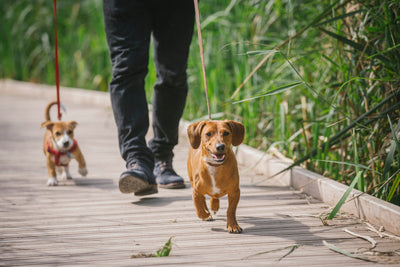
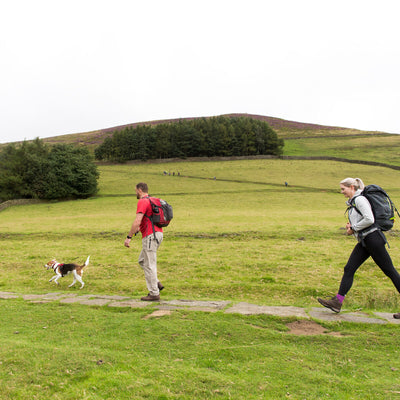
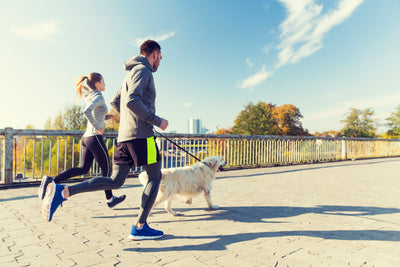
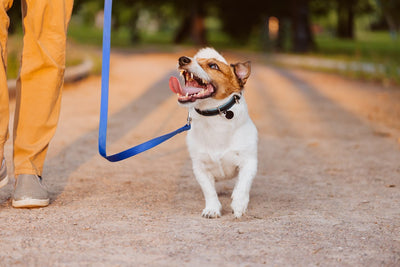
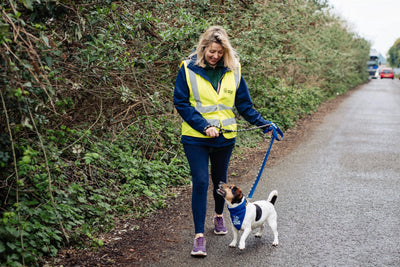
- Slowing down on walks or lagging behind
- Hesitation before jumping, climbing stairs, or getting into the car
- Stiffness after rest, especially in the morning or after naps
- Changes in posture or gait (even subtle ones)
Individually, these signs can be easy to dismiss. But together, they can paint a picture of how your dog is feeling physically. The earlier we notice them, the more we can do to support comfort before things progress.
The Role of Nutrition in Supporting Joint Health
While movement and lifestyle play a role in joint health, nutrition is one of the most consistent ways we can support our dogs from the inside out. What we feed our dogs contributes to how their bodies function every day - including their joints.
A balanced, natural diet helps support overall wellbeing, which in turn can influence mobility. When the body is nourished properly, it’s better equipped to maintain healthy joints, support muscle function, and manage the natural wear and tear that comes with daily life.
For dogs who are already showing signs of stiffness or slowing down, thoughtful nutrition can be an important part of supporting comfort. And even for younger, active dogs, building that foundation early can make a difference over time. Adding in joint supplements can also aid your dog’s resilience on a physical level as they mature.
When a dog feels physically comfortable, movement becomes easier - which means walks feel more enjoyable again. Play becomes something to look forward to, rather than something to avoid. Interactions with the world feel less threatening or concerning.
A dog who feels good in their body is more likely to:
- Engage more willingly in walks and activities
- Show curiosity and interest in their environment
- Feel more relaxed and settled at home
- Respond more calmly to everyday situations
It’s easy to focus on behaviour as something to manage or change. But when we take a step back, behaviour becomes something more informative. It becomes a window into how our dogs are experiencing the world.
If a dog is reluctant to walk, perhaps it’s not about training - it’s about how walking feels. If they’re less playful, maybe it’s not a lack of interest, but a change in physical comfort. If their mood has shifted, it could be linked to the effort their body is making just to keep up. When we approach behaviour with curiosity rather than assumption, we open the door to understanding.
And that understanding allows us to support our dogs in a more meaningful way.
Simple Ways to Support Your Dog’s Joint Health
Supporting joint comfort doesn’t require drastic changes. Small, consistent adjustments that prioritise your dog’s wellbeing might include:
- Being mindful of exercise intensity and duration
- Avoiding repetitive high-impact activities
- Reviewing nutrition to ensure it supports overall health
- Noticing and responding to subtle behavioural changes early

Supporting Joint Comfort for a Happier, Healthier Dog
At the heart of it all is a simple idea: behaviour is shaped by experience, and experience is shaped by comfort. When a dog feels good physically, the world feels easier to navigate. Movement becomes something they can enjoy, rather than endure. Their emotional capacity grows and their resilience improves.
So, before we look at behaviour as something to change, it’s worth asking a different question.
Is my dog comfortable moving through their day? Because when we prioritise joint comfort and mobility, we’re not just supporting how our dogs move - we’re influencing how they feel, how they navigate the world, and how fully they can enjoy life alongside us.






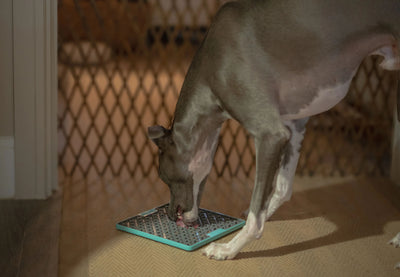
What to Put on a LickiMat: 6 Dog LickiMat Ideas From a Nutritionist
enrichment
lickimat
nutritionist














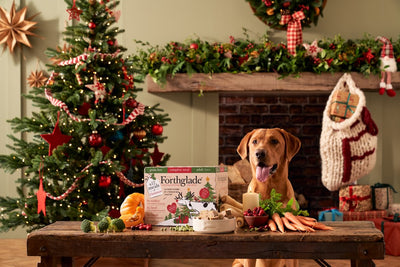
Are Christmas Trees Toxic To Dogs? Dog Proofing Xmas Tree
christmas
Dog Ownership & Lifestyle
winter