

- Save your dog's profile and update it any time
- Receive exclusive offers and discount codes
- Feeding guide recommendations for your dog
- Get personalised Subscribe and Save offers

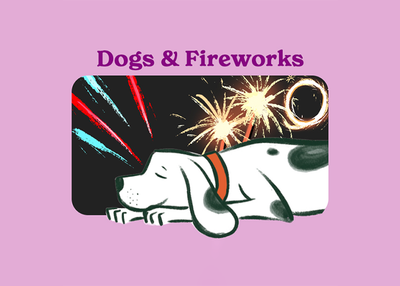
Helping Your Dog Feel Safe and Settled During Fireworks Season
As the evenings get darker and the fireworks season approaches, it's important to get prepared when it comes to thinking about how we can help our dogs feel comfortable during this time.
While for some dogs firework night is just the same as any other day, they remain unbothered by the noise, for others the sudden bangs, flashes of light and vibrations are incredibly worrying. This can be a particularly challenging time of year for both those dogs and the humans they live with. Even dogs who have previously coped well can develop a fear of fireworks as they get older.
For dogs who have a fear of loud noise, their responses are driven by how safe or unsafe they feel in the moment - it's not a matter of choice around feeling scared, but something driven by survival instincts.
Rather than focusing on trying to get our dogs to appear to behave calmly, instead we want to create an environment where they genuinely are able to feel as safe and supported as possible.
Here are some ways you can help your dog through the fireworks season.

Create a safe space before the fireworks begin
Think about where your dog naturally chooses to relax when they want a little space or some quiet time. Perhaps they prefer curling up in a particular room, hiding beneath a table or settling beside you on the sofa.
You can make these areas more comfortable by adding familiar bedding - maybe an item of your previously worn clothing for reassuring scent. You can close the curtains to in advance of night-fall to reduce flashes of light and put on some background sounds - think white noise or a continuous playlist of music - to help soften the volume of the fireworks.
Some dogs might prefer to bed-down and hide away in a cosy den, while others will feel safer being able to move freely around the house.
Allow your dog to choose where they feel most comfortable rather than encouraging them into a particular space. And make sure they can come and go freely, unless they're already comfortable being safely settled in a particular room.
Plan your walks around quieter times
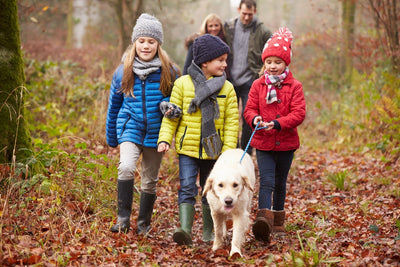
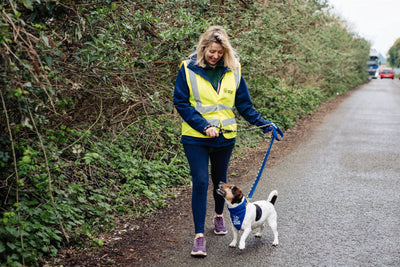
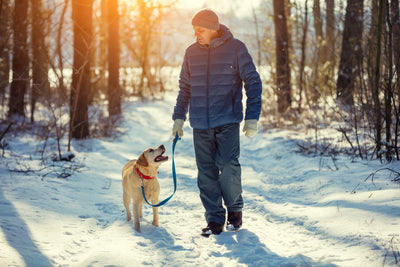
During fireworks season, it's massively helpful to adjust your dog's usual routine. Plan walks during daylight hours when fireworks are less likely to be going off. A relaxed morning walk with plenty of opportunities to sniff and explore can provide some lovely mental enrichment without needing to head out later in the evening.
If you can't avoid walking in darker hours, then skip those walks wherever possible - replacing them with indoor activities such as play, training, or scentwork (if your dog feels up to them).
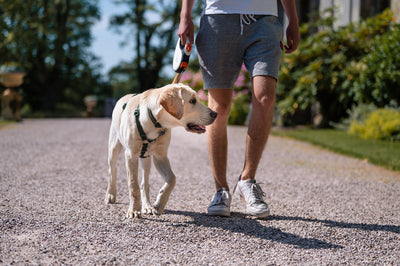
Remember to check that your dog's collar, harness and identification details are secure and up to date, particularly if there's a risk they might become startled while outdoors. And even if your dog's recall is spot-on, it's better to keep them on-lead at all times just in case a random bang spooks them.

Offer calming activities before the noise begins
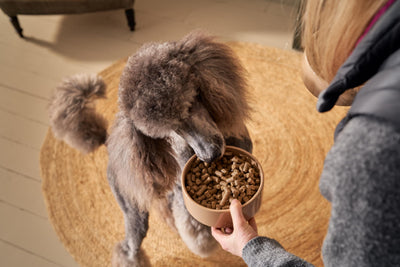
Food-based enrichment and sniffing opportunities can help dogs relax and engage in natural behaviours. It also can help to tire them out if walks are being reduced or skipped altogether. Activities such as sniffing, chewing and licking actually provide a calming effect in some dogs, especially when they're offered in a familiar, relaxed environment.
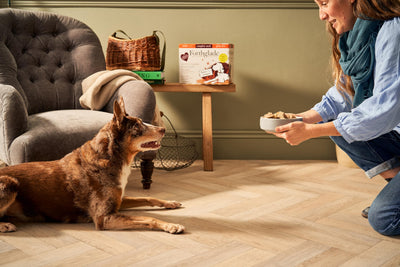
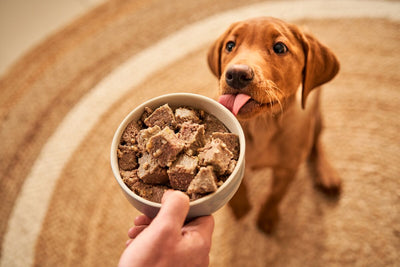
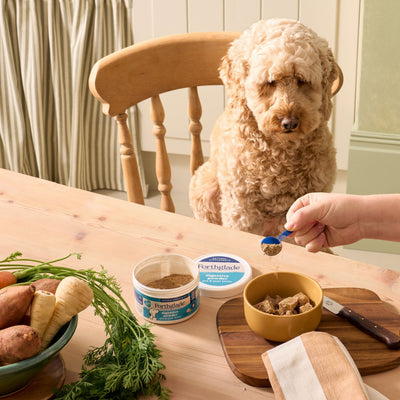
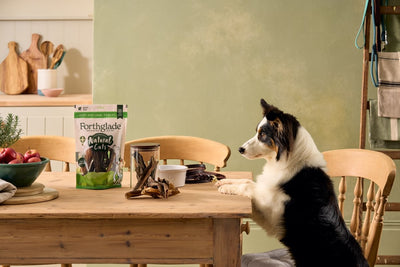
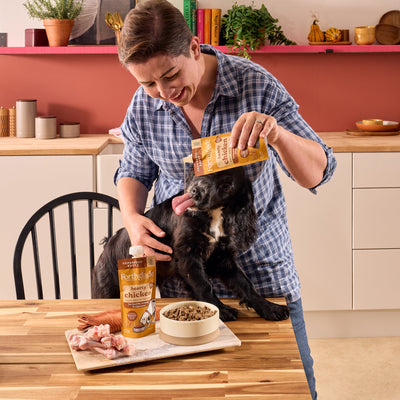
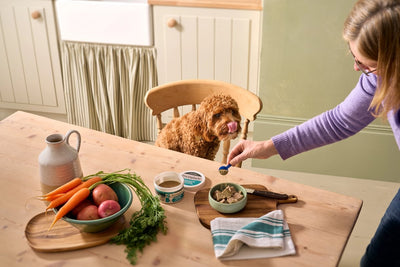
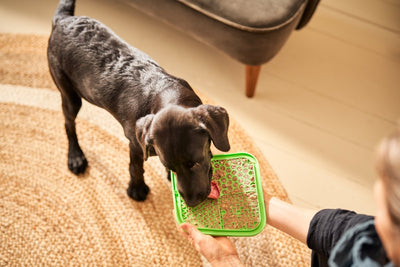
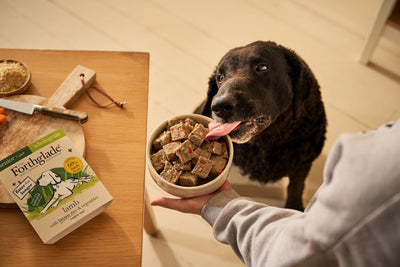
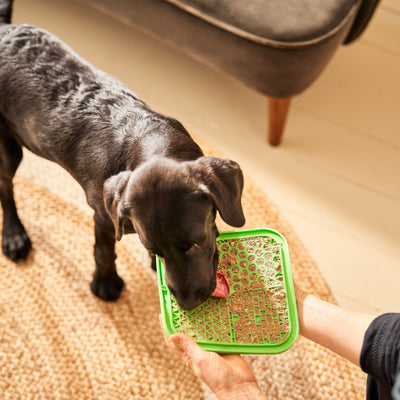
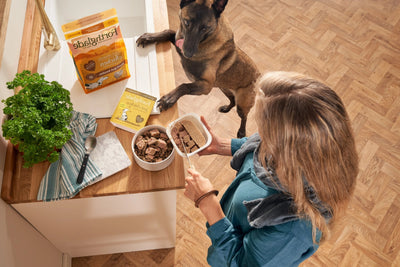
You could try scattering some of your dog's daily food allowance for a simple scent game, offering a favourite natural meaty chew or spreading some Forthglade wet food across a LickiMat.
The repetitive action of licking can be soothing for many dogs, and a LickiMat provides an opportunity to enjoy this behaviour at their own pace.
Try offering these activities before fireworks are expected to begin, rather than waiting until your dog is already feeling frightened. Some dogs will struggle to eat when they get to a certain level of anxiety, so if your dog isn't interested in their favourite food, don't try and push them into engaging. They might simply need some extra space, reassurance or a quieter environment.
Be there for your dog if they need you
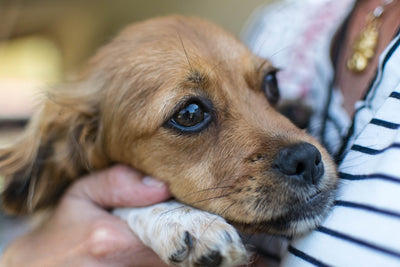
There's a common misconception that comforting a frightened dog will reinforce their fear. But fear is an emotional response, not a behaviour we're rewarding by offering support. If your dog seeks comfort from you during fireworks, please provide it - it's absolutely fine to reassure them.
Some dogs might want to curl up beside you, others might prefer gentle strokes or simply knowing you're nearby.
Some dogs will feel the need to hide away, in their own space. If that's the case, don't follow them and try to draw them out for contact - let them do what makes them feel the most safe during a difficult time.
Pay attention to your dog's individual preferences and allow them to choose how much interaction they want. Your calm, familiar presence can be an important source of reassurance. And on that note, never leave a dog alone in the home when fireworks are being set off.
Look out for the quieter signs of worry
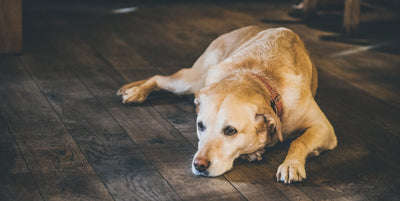
Not every dog responds to fireworks by barking, trembling or trying to hide. Some dogs might show more subtle changes in behaviour.
You might notice your dog becoming more alert, lightly panting, licking their lips, struggling to settle or following you around more than usual. Others may become unusually quiet or withdraw from activities they would normally enjoy.
Recognising these early changes gives us an opportunity to offer support before our dogs become increasingly distressed, as fears can increase in intenstity over time.

Think about support beyond fireworks night
If your dog finds fireworks particularly frightening, it's worth considering how you can support them the days following a loud display. They might be tired, as they've not rested as they usually would during the evening. They might be on higher alert - so you may see an increase in barking behaviour, for example. They might be cautious about going outside for walks or even into the garden.
Allow them some time to decompress after fireworks and keep daytime activities gentle. Avoid long stimulating walks, instead look to go on calmer sniffing walks in quiet spaces.
Once the season has wrapped up completely, you can switch gears to proactively preparing for any future noisy times. Gradual, carefully managed sound desensitisation and counterconditioning can help some dogs develop more positive responses to noises over time. However, this should be introduced at a level where your dog remains comfortable, with guidance from a qualified behaviour professional.
For dogs experiencing significant fear, speak to your vet well before fireworks season. They can check for underlying health concerns, including pain, which can contribute to noise sensitivity, and discuss whether medication might be appropriate. Medication isn't a last resort or a sign that training has failed. For some dogs, it can make a meaningful difference to their welfare during frightening events.
Finding what works for your dog
Every dog will experience fireworks differently, and there's no single activity or approach that will suit everyone.
Some dogs may happily enjoy a LickiMat filled with their favourite Forthglade food while relaxing beside their family. Others might prefer to hide somewhere quiet, have gentle reassurance or simply be left undisturbed.
The most important thing is to recognise what your individual dog needs and respond with patience and understanding.
We might not be able to control the fireworks happening outside, but we can make thoughtful changes to the environment inside our homes.
And by offering comfort, choice and opportunities to feel safe, we can help our dogs feel as supported as possible throughout fireworks season.








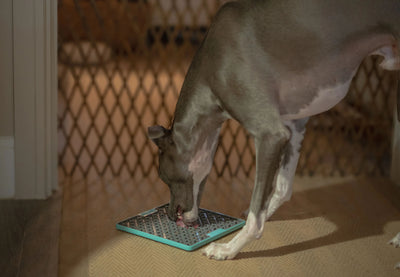
What to Put on a LickiMat: 6 Dog LickiMat Ideas From a Nutritionist
enrichment
lickimat
nutritionist








Are Christmas Trees Toxic To Dogs? Dog Proofing Xmas Tree
christmas
Dog Ownership & Lifestyle
winter